

















































In the AI SDR vs Human SDR comparison, AI SDRs automate repetitive sales development tasks like prospecting, enrichment, outreach, and follow-ups. Human SDRs focus on strategic conversations, objection handling, and relationship building. The best B2B sales teams combine both in a hybrid SDR model to build pipeline faster without sacrificing personalization.
This shift is already mainstream. According to Salesforce’s State of Sales Report, 7th Edition (2026), 87% of sales organizations now use some form of AI for tasks like prospecting, forecasting, lead scoring, or drafting emails. The question for most GTM teams isn’t whether to adopt AI SDR tools. It’s where to draw the line between automation and human judgment.
AI SDR vs Human SDR: Key Differences
- AI SDRs excel at repetitive tasks: prospecting, data enrichment, outreach drafting, and follow-ups.
- Human SDRs outperform AI at objection handling, relationship building, and strategic account decisions.
- The best B2B sales teams run a hybrid SDR model instead of replacing human reps.
- Human approval improves personalization, protects brand voice, and reduces automation mistakes.
- AI SDR software delivers the most value when paired with clean data and clear handoff workflows.
AI SDR vs Human SDR: Quick Comparison
| Task | AI SDR | Human SDR |
| Lead list building | Best fit | Time-consuming |
| Data enrichment | Best fit | Manual and slow |
| Cold email drafting | Best fit | Good, but slower |
| Follow-up sequencing | Best fit | Often inconsistent |
| Objection handling | Poor fit | Best fit |
| Complex qualification calls | Poor fit | Best fit |
| Relationship building | Poor fit | Best fit |
| High-stakes account strategy | Poor fit | Best fit |
| Meeting scheduling | Good fit | Good fit |
| Tone calibration and brand voice | Needs oversight | Best fit |
This AI SDR vs SDR breakdown reflects what most GTM teams find after testing AI SDR vs human SDR in B2B sales.
In short, AI SDRs are better for repetitive, data-driven work, while human SDRs are better for strategic conversations and relationship building.
What Is an AI SDR?

An AI SDR is software that automates sales development tasks. It researches prospects, builds lead lists, drafts outreach emails, and manages follow-up sequences. Some AI SDR tools also handle inbox replies and basic qualification questions.
Unlike a chatbot, an AI sales development representative works across the full top-of-funnel process. It pulls data from multiple sources. Also, it personalizes messaging based on firmographic and intent signals. Lastly, it runs 24/7 without breaks, vacations, or ramp time.
Modern AI SDR software connects to your CRM, enrichment tools, and email platform. It doesn’t just send messages. It adapts based on engagement, opens, replies, and even job changes. This is what separates true AI SDR platforms from basic email automation tools.
Most importantly, the best AI SDR tools are built with human-in-the-loop AI SDR workflows. This means a person reviews and approves outreach before it goes out, at least during setup and calibration. This keeps brand voice consistent and prevents embarrassing mistakes.
Examples of AI SDR Tasks in a Typical Week
In a single week, an AI SDR might build three new prospect lists, enrich thousands of contact records, and draft outreach for several different segments. It might also manage thousands of follow-up touches across active sequences.
A human SDR simply cannot match this volume alone. This is why AI SDR tools have become a core part of sales development automation for growing B2B teams, not a novelty add-on.
Where AI SDR Software Gets Its Data
Good AI SDR platforms pull from multiple sources: firmographic databases, intent data providers, website visitor tracking, and CRM history. Combining these sources is what makes personalization possible at scale.
Without strong data, an AI SDR is just a faster version of a bad email blast. Data quality is the real differentiator between AI SDR tools that convert and ones that don’t.
What Is a Human SDR?

A human SDR is a sales development rep who prospects, qualifies, and books meetings for the sales team. They read tone. Also, they handle pushback. They build trust with skeptical buyers who don’t respond well to obviously automated outreach.
Human SDRs excel at reading between the lines. A prospect might say “not right now” but mean something more specific. A skilled SDR picks up on that nuance and adjusts their approach. AI struggles with this kind of contextual judgment.
Human SDRs also carry institutional knowledge. Human SDRs remember past conversations. They know which accounts had a bad experience with support last quarter. Also, Human SDRs know which champions moved to a new company and might be worth re-engaging.
This human judgment is exactly why AI SDR vs human SDR isn’t really a competition. It’s a division of labor. AI handles volume. Humans handle nuance. Together, they outperform either model alone.
The Cost of Losing Human SDRs Entirely
Some companies experiment with removing human SDRs completely. Early results often look promising since pipeline volume increases fast. Over time, though, reply quality and conversion rates tend to drop.
Prospects can sense when there’s no human behind a conversation. Once a deal reaches a certain complexity, buyers want to talk to someone who understands their specific situation. This is a gap AI still cannot close on its own.
Why Human SDRs Improve Over Time
A good human SDR gets better with every call. They learn what objections come up most, which pitches resonate, and how to adjust in real time. This kind of experiential learning still outpaces what AI can replicate today.
Sales leaders who invest in human SDR coaching alongside AI SDR tools tend to see stronger long-term results than teams that automate everything and stop developing their people.
Can AI SDRs Replace Human SDRs?
No. AI SDRs cannot fully replace human SDRs, and most sales leaders don’t want them to. AI SDRs are excellent at repetitive, high-volume tasks. They struggle with judgment, negotiation, and emotional intelligence.
Full automation sounds appealing on paper. In practice, buyers can tell when outreach feels robotic. A fully autonomous AI SDR system risks sending irrelevant messages, misreading intent, or damaging trust with target accounts.
This doesn’t mean AI SDRs are limited in value. It means their value is different from human value. AI SDRs increase the volume of qualified conversations. Human SDRs increase the quality of conversion once those conversations start.
Teams that ask “Will AI replace SDRs?” are asking the wrong question. The better question is: what should AI SDRs automate, and what should stay human? That question shapes the rest of this guide.
What Should Sales Teams Automate With AI SDRs?
The best AI SDR tools automate sales development tasks that are repetitive, data-heavy, or time-consuming. These are the same tasks that burn out human reps and slow down pipeline velocity.
Salesforce’s State of Sales Report, 7th Edition (2026), found that sales professionals devote nearly a full day of their workweek to prospecting alone, yet 48% still say they lack the bandwidth for adequate cold outreach. That gap is exactly what AI SDR software is built to close. Below are the areas where sales development automation delivers the most value.
Prospecting and List Building
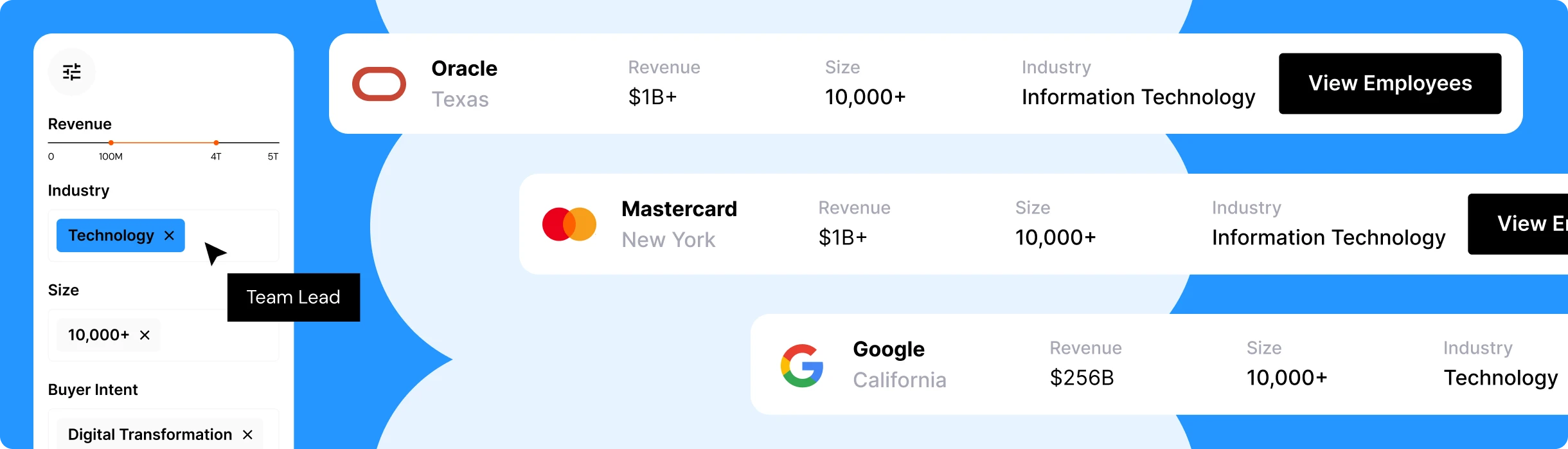
AI SDRs handle prospecting and list building by scanning databases, applying filters, and pulling firmographic and intent signals to build targeted lists automatically.
Manual prospecting eats up hours of an SDR’s week. AI SDR software can scan databases, apply filters, and build a targeted prospect list in minutes. It pulls firmographic data, technographic signals, and intent data automatically.
This frees human SDRs from spreadsheet work. Instead of hunting for leads, they spend time on calls and strategic account planning. AI prospecting tools also update lists continuously, so lead data doesn’t go stale.
The time savings are measurable, not just anecdotal. The same Salesforce report found that once AI agents are fully implemented, sellers expect them to cut prospect research time by 34% and email drafting time by 36%. That reclaimed time goes directly back into selling conversations.
This kind of sales prospecting automation lets AI SDR software scan databases, apply filters, and build a targeted prospect list in minutes. It’s a clear example of AI SDR for outbound prospecting in action.
Data Enrichment
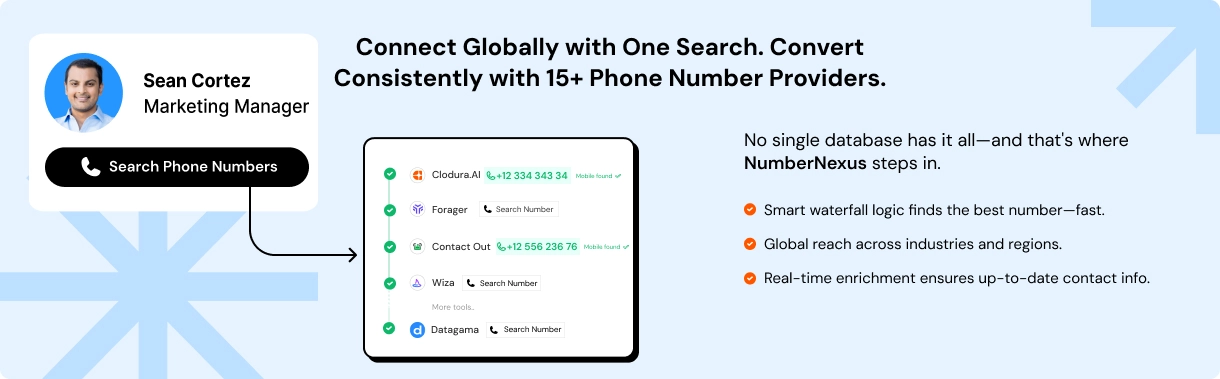
AI SDRs handle data enrichment by pulling updated contact and account information from multiple providers in real time.
Contact data decays fast, a problem often called CRM data rot. People change jobs, titles shift, and email addresses break. AI SDR tools enrich records automatically, pulling updated information from multiple data providers in real time.
This keeps CRM data clean without manual updates. Clean data means better targeting, fewer bounced emails, and higher reply rates across every outbound campaign.
Cold Email Drafting and Personalization
AI SDRs draft cold email outreach by personalizing subject lines and messaging based on account data, role, and recent trigger events.
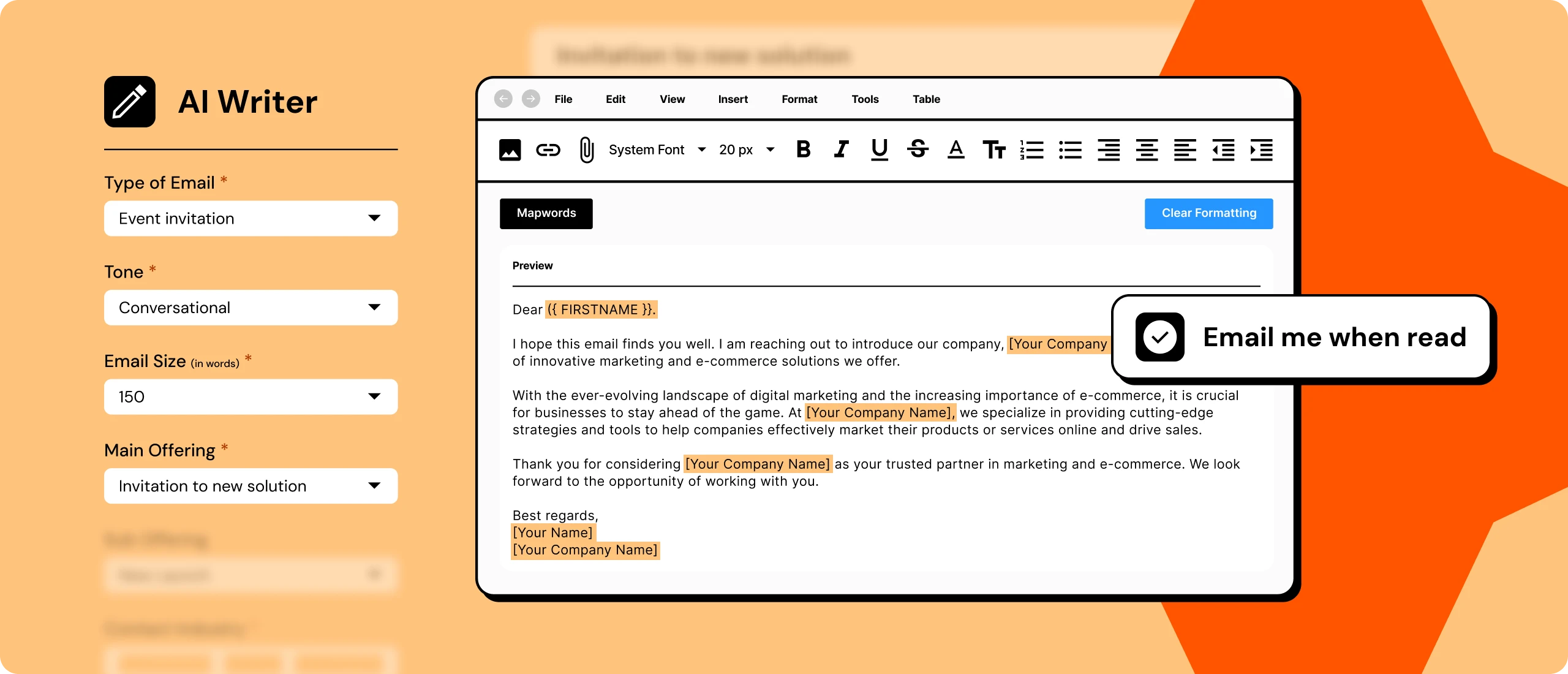
AI SDR for cold email outreach starts with drafting first-pass messages using account and contact data. They personalize subject lines, opening lines, and value propositions based on industry, role, and recent triggers like funding or hiring.
This doesn’t mean generic mail-merge templates. Good AI SDR software pulls specific, relevant details into each message. It reduces the time reps spend writing from scratch while keeping messages tailored.
Follow-Up Sequencing
AI SDRs manage follow-up sequencing by running multi-touch outreach automatically and adjusting timing based on prospect behavior.
Most deals die from lack of follow-up, not lack of interest. AI SDR tools manage multi-touch sequences automatically, adjusting timing and messaging based on prospect behavior.
If a prospect opens an email three times but doesn’t reply, the AI SDR can escalate with a different angle. This kind of consistent follow-up is hard for busy human reps to maintain manually.
Meeting Scheduling
AI SDRs handle meeting scheduling by providing calendar links, confirming times, and automatically sending reminders.
Once a prospect responds positively, AI SDR tools can offer calendar links, confirm times, and send reminders. This removes back-and-forth scheduling emails that slow down momentum.
Inbox Triage
AI SDRs handle inbox triage by sorting replies into categories like interested, not interested, or needs follow-up.
AI SDR software can sort replies into categories like interested, not interested, or needs follow-up. This helps human SDRs prioritize their time on the conversations that matter most.
Together, these five areas represent the core of outbound sales automation. They are high-volume, repeatable, and rules-based. This is exactly where AI sales assistant tools perform best.
What Should Human SDRs Still Handle?
Not everything belongs in an automated workflow. Understanding what human SDRs should not automate is just as important as knowing what to hand off. Some tasks require empathy, judgment, or relationship context that AI cannot replicate. Below are the areas where human SDRs remain essential.
Complex Objection Handling
Human SDRs handle complex objections by responding to nuanced, emotional pushback with empathy and real-time judgment.
When a prospect raises a nuanced concern, like budget constraints tied to a recent layoff, human SDRs know how to respond with empathy and context. AI SDRs can recognize keywords, but they miss emotional subtext.
A skilled human rep adjusts their pitch in real time based on tone, hesitation, and unspoken concerns. This kind of live problem-solving is one of the clearest answers to the question of “what should human SDRs still handle?”
Strategic Account Judgment
Human SDRs own strategic account judgment by deciding who to engage, how to sequence conversations, and when to involve leadership.
Enterprise deals often involve multiple stakeholders, internal politics, and long sales cycles. Human SDRs use judgment to decide who to engage first, how to sequence conversations, and when to loop in an executive sponsor.
AI SDR tools can support this work with data, but the strategic decisions still belong to a person who understands the account’s full context.
Relationship Building
Human SDRs handle relationship building by developing rapport across multiple touchpoints and following through on personal commitments.
Trust isn’t built through automated sequences alone. Human SDRs build rapport over multiple touchpoints, remembering personal details and following through on commitments.
This relationship layer matters most for high-value accounts where the sales cycle is long and the stakes are high. A prospect who feels like just another automated contact is less likely to convert.
Tone Calibration and Brand Voice
Human SDRs manage tone calibration by ensuring AI-drafted messages match brand voice and values before they go out.
While AI SDRs can draft messages, human oversight ensures those messages match the company’s voice and values. This is especially important early in an AI SDR rollout, before the system has learned enough patterns to operate independently.
Handling Escalations and Sensitive Situations
Human SDRs handle escalations by stepping in whenever a prospect is upset, confused, or outside the standard process.
If a prospect is upset, confused, or asking for something outside the standard process, a human needs to step in. AI SDR tools should flag these moments and route them to a rep immediately.
These five areas are why human-in-the-loop AI SDR models outperform fully autonomous ones. Automation handles scale. Humans handle the moments that decide whether a deal moves forward or dies.
How Does an AI SDR Help Outbound Sales Teams?
AI outbound sales has changed how sales teams use AI SDRs to move faster, cover more accounts, and stay consistent. Below are the specific ways AI SDR software changes day-to-day outbound performance.
Faster Pipeline Creation
Because AI SDRs work continuously, they build and launch outreach campaigns far faster than a manual process. A campaign that once took days to plan and launch can go live in hours.
Wider Account Coverage
A single human SDR can only research and personalize outreach for a limited number of accounts each week. AI SDR tools expand that coverage dramatically, reaching segments that would otherwise go untouched.
Consistent Follow-Up
Humans get busy. Follow-ups slip. AI SDR software never forgets a scheduled touch, which means fewer deals fall through the cracks simply due to a lack of persistence.
Lower Cost Per Meeting
By automating the top of the funnel, teams can book more meetings without adding headcount. This lowers the cost per qualified meeting and improves overall SDR team efficiency.
Real-Time Signal Response
AI SDR platforms can monitor B2B buying signals like funding announcements, executive changes, or job postings. When a signal appears, the AI SDR can launch outreach immediately, while the moment is still relevant.
These benefits explain why AI SDR adoption has grown so quickly across B2B sales organizations. The value isn’t just speed. It’s the ability to act on data at a scale humans cannot match.
What Is a Hybrid SDR Model?
A hybrid SDR model combines AI SDR software with human sales development reps. AI handles research, outreach drafting, sequencing, and follow-ups. Humans handle qualification calls, objection handling, and account strategy.
This model is quickly becoming the standard for B2B sales automation. Instead of replacing SDR teams, AI SDR tools act as a force multiplier. One human SDR supported by AI can manage a larger territory without sacrificing quality.
Why the Hybrid Model Works
The hybrid SDR model works because it matches each task to its best-suited resource. AI is fast, consistent, and tireless. Humans are empathetic, strategic, and adaptive. Neither one performs well doing the other’s job.
One simple way to decide who should own a task is to look at two factors: volume and judgment.
| Task Characteristics | Best Owner |
| High volume + low judgment | AI SDR |
| Low volume + high judgment | Human SDR |
| High volume + high judgment | AI SDR + Human SDR |
The most effective outbound teams don’t ask whether AI or humans are better. They ask which combination produces the best outcome for each stage of the sales process.
Sales teams that adopt this model typically see three benefits. First, SDRs spend more time on high-value conversations instead of manual prospecting. Second, pipeline volume increases because AI can engage far more accounts than a human alone. Third, conversion rates improve because human reps are freed up to focus on qualified, warm conversations.
Building a Hybrid Workflow
A typical hybrid workflow for GTM teams looks like this. AI SDR tools identify target accounts and build enriched lists. AI drafts personalized outreach sequences. A human reviews and approves messaging, especially during the first few weeks of a new campaign.
Once a prospect replies with interest, the AI SDR either books a meeting directly or routes the conversation to a human rep. From that point forward, a person manages the relationship through qualification, objection handling, and next steps.
This is a clear example of an AI SDR workflow for GTM teams that balances speed with quality. It also reflects how most modern AI SDR platforms, including Atlas AiSDR, are designed to operate.
A Sample Day in a Hybrid SDR Workflow
Picture a mid-market SaaS company running a hybrid SDR model. In the morning, the AI SDR reviews overnight signals, like a target account raising a new funding round. It builds a fresh contact list and drafts a personalized sequence.
A human SDR reviews the batch during a quick morning check-in, approving most messages and adjusting two that felt slightly off-brand. The AI SDR sends the approved messages and begins tracking opens and replies throughout the day.
By early afternoon, three prospects reply with interest. The AI SDR routes these to the assigned human SDR, who jumps on calls to qualify and book demos. Meanwhile, the AI SDR keeps managing follow-ups for prospects who haven’t responded yet.
By the end of the day, the human SDR has spent most of their time on live conversations, not manual list-building or email drafting. This is what a functioning hybrid SDR model looks like in practice, and it’s why so many GTM teams are moving toward this structure.
Setting Clear Handoff Rules
The hybrid model only works well when handoff rules are clear. Teams should define exactly when a conversation moves from AI to a human, such as after a positive reply, a pricing question, or a request for a demo.
Without clear rules, prospects can get stuck in automated sequences even after showing real interest. This creates a poor experience and can cost a team a winnable deal.
Here’s how AI and human SDRs typically split responsibility across the sales process:
| Sales Stage | AI SDR | Human SDR |
| ICP research | ✓ | |
| List building | ✓ | |
| Data enrichment | ✓ | |
| Cold email draft | ✓ | Review |
| Follow up | ✓ | |
| Positive reply | ✓ | |
| Discovery | ✓ | |
| Objection handling | ✓ | |
| Multi-threading (engaging multiple stakeholders) | Support | ✓ |
| Negotiation | ✓ |
Why Human Approval Matters in AI SDR Workflows
Running an AI SDR with human approval is one of the most overlooked components of a successful rollout. Even the best AI SDR tools benefit from a human checkpoint before messages go out at scale.
Protecting Brand Voice
Every company has a distinct tone. A financial services firm doesn’t sound like a fast-growing startup. Human approval ensures AI-generated messages match brand expectations before they reach prospects.
Preventing Costly Mistakes
AI models can occasionally misread context, use outdated information, or generate a message that feels off. A human reviewer catches these issues before they damage a relationship with a target account.
Building Trust in the System
Sales leaders are more likely to adopt AI SDR software when they trust its output. Human-in-the-loop AI SDR workflows give teams visibility and control during the early stages of automation.
This approval step doesn’t need to slow things down. Many AI SDR platforms allow batch approval, where a rep reviews a day’s worth of sequences in minutes rather than reviewing each message individually.
Over time, as the AI SDR learns what works, teams can reduce the level of oversight for lower-risk segments. High-value accounts, however, should almost always keep a human checkpoint in place.
What Are the Risks of Fully Autonomous AI SDRs?
Fully autonomous AI SDR systems, meaning ones with no human review at any stage, carry real risks. Sales leaders considering this approach should understand the tradeoffs before removing human oversight entirely.
Loss of Personalization at Scale
Without human review, AI SDR tools can drift toward generic messaging. Over time, this reduces reply rates and can hurt sender reputation across your email domain.
Brand and Compliance Risk
An AI system without oversight might send a message that violates a compliance requirement or misrepresents your product. In regulated industries, this risk is especially serious.
Missed Signals
AI is good at pattern recognition but weak at reading nuance. A fully autonomous system might miss cues that a prospect needs a different approach, like a recent negative press mention or a leadership change.
Damaged Trust With Prospects
Buyers are increasingly aware of AI-generated outreach. When messages feel impersonal or poorly timed, it can damage trust in your brand before a human ever gets involved.
These risks don’t mean AI SDR tools are unsafe. They mean full autonomy, without any human checkpoint, is rarely the right setup for B2B sales, where trust and relationships drive revenue.
How to Use AI SDRs Without Losing Personalization
Personalization is what makes outbound sales effective. The good news is that AI SDR tools, when configured correctly, can support personalization rather than replace it.
McKinsey’s foundational personalization research found 71% of buyers expecting tailored interactions and most getting visibly frustrated when they don’t get them. Scaling outreach without scaling relevance works against both findings. This isn’t optional.
Feed the AI Rich Context
The more data an AI SDR has access to, like firmographic details, intent signals, and past interactions, the more relevant its messaging becomes. Teams should invest in clean, enriched data before scaling AI outreach.
Use Human Review for New Segments
When targeting a new industry or persona, keep human review in place until the AI SDR has learned what resonates. This prevents generic messaging during the most sensitive early stage.
Segment High-Value Accounts Separately
For target accounts with high deal value, consider keeping human SDRs more involved from the first touch. Reserve full AI automation for lower-tier segments where volume matters more than white-glove outreach.
Monitor Reply Quality, Not Just Reply Rate
A high reply rate doesn’t always mean good personalization. Sales leaders should review actual reply content to confirm prospects are engaging meaningfully, not just responding to unsubscribe.
Update Messaging Based on Feedback
AI SDR platforms improve when given feedback. If a sequence isn’t landing, adjust the messaging or targeting criteria rather than assuming the tool has failed.
Following these practices helps teams use AI SDR software as an amplifier for personalization, not a replacement for it. The goal is to scale without losing the human touch that drives conversion.
How Atlas AiSDR by Revnos.AI Supports Human-Approved Outbound
Atlas AiSDR, a platform for AI-powered sales outreach, is designed around the hybrid model this guide describes. It automates prospecting, enrichment, and outreach sequencing while keeping human approval built into the workflow.
Atlas AiSDR pulls from Clodura’s data engine to build accurate, enriched lead lists. It drafts personalized outreach based on firmographic and intent signals, then routes messages for human review before sending, especially for new campaigns or high-value segments.
This human-in-the-loop AI SDR design reflects what the best sales teams actually want. They want the speed and scale of automation without losing control over brand voice, tone, and strategic account handling.
For GTM teams evaluating AI SDR tools, the key question isn’t whether to automate. It’s how much control to keep and where. Atlas AiSDR is built to make that balance easy to manage, so sales development automation supports your team instead of replacing its judgment.
Teams using Atlas AiSDR typically start with more human oversight, then gradually adjust the level of automation as trust in the system grows. This mirrors the hybrid SDR model outlined throughout this guide.
Common Mistakes When Adopting AI SDR Tools
Teams new to AI for SDR teams often make a few predictable mistakes when adopting AI SDR software. Avoiding these early can save months of wasted spend and damaged sender reputation.
Skipping the Data Cleanup Step
Feeding an AI SDR messy or outdated data leads to poor targeting and low reply rates. Clean your CRM and enrichment sources before scaling any AI-driven outreach.
Removing Human Oversight Too Soon
Some teams turn off human approval within the first week to save time. This usually backfires since the AI SDR hasn’t yet learned what messaging works for that specific audience.
Treating AI SDR Output as Final
AI-generated messaging is a strong starting point, not a finished product. Reviewing and refining early sequences helps the system improve and keeps messaging aligned with brand voice.
Ignoring Deliverability
Sending high volumes of email without proper domain warming, authentication, and list hygiene can hurt deliverability fast. This is one of the most common and costly AI SDR mistakes.
Measuring Only Volume, Not Quality
A spike in emails sent or meetings booked looks good on a dashboard. But if those meetings don’t convert to opportunities, the AI SDR isn’t actually driving revenue. Track quality metrics, not just activity.
How to Choose the Right AI SDR Tool for Your Team
Not all SDR automation tools are built the same way. Finding the best AI SDR tools for sales teams means looking past flashy demos and focusing on a few core criteria.
Data Quality and Enrichment
Ask where the platform sources its contact and account data. Stronger data sources lead directly to better targeting and more relevant outreach.


Human-in-the-Loop Controls
Look for AI SDR tools that let you set approval workflows by segment or account tier. This flexibility lets you scale automation gradually instead of all at once.
Integration With Your Existing Stack
The AI SDR should connect cleanly with your CRM, email provider, and calendar tools. Poor integrations create data gaps and manual work that defeats the purpose of automation.
Transparency Into Messaging Logic
You should be able to see why the AI SDR chose a particular message or sequence for a given account. This transparency builds trust and makes it easier to refine performance.
Support for Hybrid Workflows
The best AI SDR tools are designed for a hybrid SDR model from the start, not retrofitted as an afterthought. This includes clear handoff points between AI and human reps.
Signs Your Team Is Ready for AI SDR Tools
Not every team is ready to adopt AI SDR software right away. A few clear signals suggest it’s the right time to start.
Your SDRs Are Spending Too Much Time on Manual Research
If reps spend more time building lists than talking to prospects, that’s a strong signal. AI SDR tools can reclaim that time immediately and redirect it toward selling.
Your Follow-Up Process Is Inconsistent
When follow-ups depend entirely on individual reps remembering to send them, deals slip through. AI SDR software brings consistency that manual processes struggle to maintain.
You Have Clean, Structured Data
AI SDR tools perform best with reliable CRM and enrichment data already in place. If your data is a mess, plan for a cleanup phase before rolling out automation.
Leadership Is Willing to Start With Oversight
Teams that succeed with AI SDR adoption usually start with strong human review, then loosen oversight as trust builds. If leadership expects instant full autonomy, expectations may need resetting first.
You Need to Scale Without Adding Headcount
If budget constraints limit new SDR hires but pipeline targets keep growing, AI SDR tools offer a practical way to increase output without proportional cost increases.
Metrics That Matter in a Hybrid SDR Model
Measuring a hybrid SDR model requires looking at more than just emails sent. Sales leaders should track metrics that reflect both AI efficiency and human conversion quality.
Reply Rate and Positive Reply Rate
Track your cold email reply rate, but pay closer attention to the positive reply rate specifically. This shows whether AI-generated messaging is actually resonating with target accounts.
Meetings Booked Per Rep
Compare meetings booked per human SDR before and after adopting AI SDR tools. A meaningful increase signals the automation is working as intended.
Meeting-to-Opportunity Conversion
This metric shows whether AI-sourced meetings are high-quality. If conversion drops after adopting AI SDR software, targeting or messaging likely needs adjustment.
Time to First Response
Faster response times often correlate with higher conversion. AI SDR tools should reduce the time between prospect engagement and human follow-up.
Cost Per Qualified Meeting
This is one of the clearest ROI indicators for AI SDR adoption. Teams should see this cost decrease as automation scales without sacrificing meeting quality.
Tracking these metrics together, rather than in isolation, gives sales leaders a clear picture of whether their hybrid SDR model is actually driving pipeline and revenue.
Which Is Better: AI SDR vs Human SDR
Neither is universally better. AI SDRs outperform humans at repetitive, high-volume work like prospecting, enrichment, and follow-ups. Human SDRs outperform AI at relationship building, strategic conversations, and complex objection handling. For most B2B sales teams, the highest-performing approach is a hybrid SDR model that combines AI automation with human oversight.
Final Thoughts: Automate the Repetitive, Keep the Relationship Human: AI SDR vs Human SDR
Weighing AI SDR pros and cons misses the real opportunity in the AI SDR vs human SDR debate. The best sales teams aren’t choosing between automation and human judgment. They’re combining both in a hybrid SDR model built for scale and trust.
AI SDR tools handle prospecting, enrichment, sequencing, and follow-ups with speed no human team can match. Human SDRs handle objections, relationships, and strategic decisions that require context and empathy. Together, they create more pipeline without sacrificing quality.
If your team is exploring AI SDR software, start with a human-in-the-loop approach. Keep approval in place for new segments and high-value accounts. Expand automation as trust in the system grows.
This approach protects what makes outbound effective in the first place: relevance and trust. AI SDR tools can scale outreach volume dramatically, but volume without relevance just creates noise. Pairing automation with human judgment keeps every message purposeful.
Sales leaders who get this balance right tend to see faster pipeline growth without the reputational risk that comes from fully automated outreach. They also retain the coaching and relationship-building strengths that make human SDRs valuable long after the first meeting is booked.
As AI SDR technology continues to improve, the line between AI and human tasks will likely keep shifting. Today, though, the winning formula is clear. Automate the repetitive work. Keep humans in charge of trust, strategy, and relationships.
Atlas AiSDR by Revnos.AI is built for exactly this kind of hybrid workflow. It combines enriched data, automated outreach, and human-approved sending to help GTM teams scale outbound without losing the personal touch that drives real conversions.
Whether you’re just starting to explore AI SDR tools or already running a hybrid model, the goal stays the same. Use automation to expand reach and consistency. Use people to build the trust that turns a conversation into a customer.
Want to see what a human-approved AI SDR workflow looks like in practice? Atlas AiSDR combines prospecting, enrichment, AI-generated outreach, and human approval in one workflow so your team scales outbound without sacrificing personalization. Book a demo with Revnos.AI to see how it works.
Frequently Asked Questions on AI SDR vs Human SDR
An AI SDR automates research, outreach, and follow-ups at scale. A human SDR handles judgment-based tasks like objection handling and relationship building. Most teams use both together.
No. AI SDRs handle volume and repetition well, but they lack the judgment and empathy needed for complex sales conversations. Human SDRs remain essential for qualification and closing support.
Teams should automate prospecting, data enrichment, cold email drafting, follow-up sequencing, and meeting scheduling. These tasks are repetitive and benefit most from AI SDR software.
Human SDRs should handle objection handling, strategic account judgment, relationship building, tone calibration, and sensitive escalations. These tasks require context AI cannot fully replicate.
A hybrid SDR model combines AI SDR tools with human sales reps. AI manages high-volume outreach, while humans manage qualification, objections, and relationship-driven conversations.
AI SDRs increase outreach volume, keep data enriched, and maintain consistent follow-up. This gives human reps more qualified conversations without adding headcount.
Atlas AiSDR automates prospecting and outreach while routing messages for human review. This keeps sales development automation aligned with brand voice and account strategy.

Published on: July 13, 2026 |
Share: