


















































You’re on Apollo.io, and somewhere between the credit top-ups, per-user fees, and export limits, you’ve started wondering if you’re getting the best deal for your team. It’s a fair question, and one a lot of sales leaders, founders, SDR team leads, and RevOps professionals are asking in 2026 while comparing Clodura.AI vs Apollo.io.
If you’ve been exploring Apollo.io alternatives, Clodura.AI has likely appeared on your radar. It’s one of Apollo.io’s fastest-growing competitors, offering many of the same core capabilities, including lead generation, contact discovery, email sequencing, sales engagement, and CRM integrations.
But is Clodura.AI actually a better fit for your team?
In this guide, we’ll compare Clodura.AI vs Apollo.io across database size, data accuracy, international coverage, pricing, credit systems, AI capabilities, and team-scale costs so you can make an informed decision about which platform best supports your sales strategy in 2026.
Clodura.AI vs Apollo.io: What Each B2B Sales Intelligence Platform Actually Does
What Is Apollo.io and What Does It Do?
- Apollo.io is a B2B sales intelligence and engagement platform used by over 600,000 companies worldwide to find, contact, and close prospects.
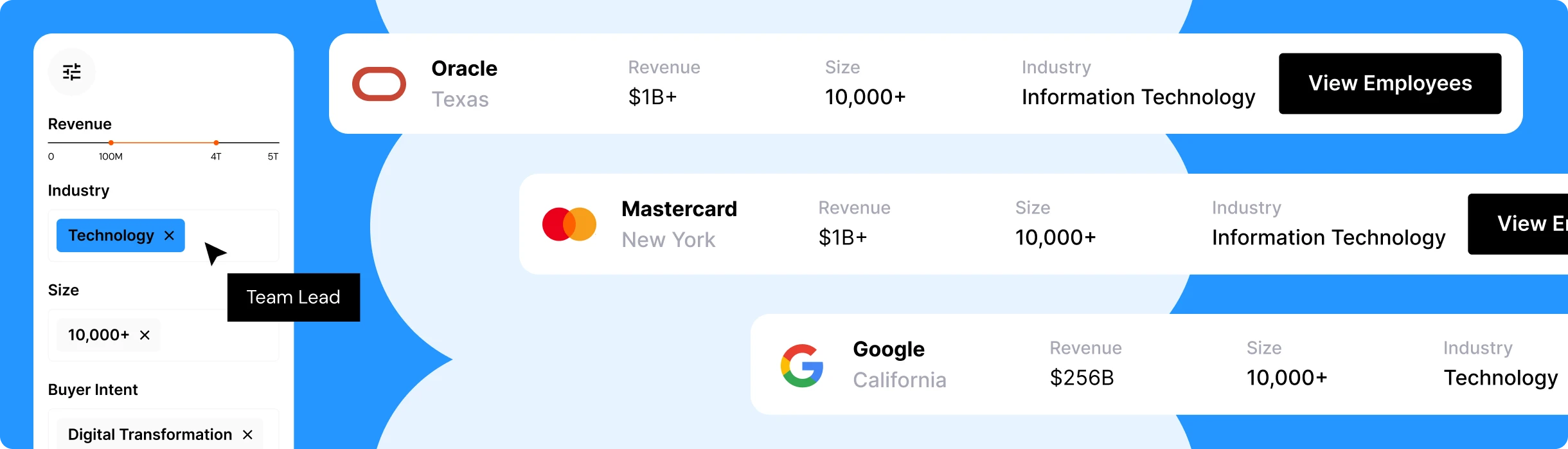
- It gives sales teams access to a database of 231 million+ contacts and 35 million+ companies, allowing reps to filter by job title, industry, location, company size, and more.
- Apollo includes a built-in email sequencing tool that lets reps automate multi-step outreach campaigns, track opens and replies and manage follow-ups without leaving the platform.
- It offers a Chrome Extension that lets reps pull contact information directly from LinkedIn profiles and company websites while they browse.
- Apollo integrates with major CRMs like Salesforce and HubSpot, syncing contact data, activity logs, and deal updates automatically.
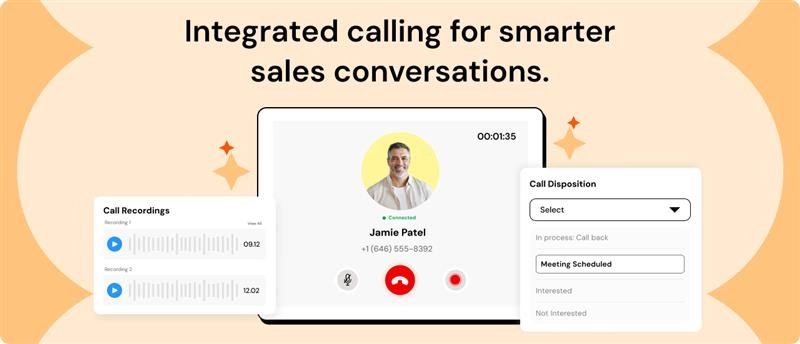
- The platform includes a built-in dialer for US-based calling, along with call recording, transcription, and conversation intelligence features on higher-tier plans.
- Apollo uses a credit-based pricing model, where every action such as unlocking an email, a phone number, or exporting a contact consumes a set number of credits from your monthly or annual allowance.
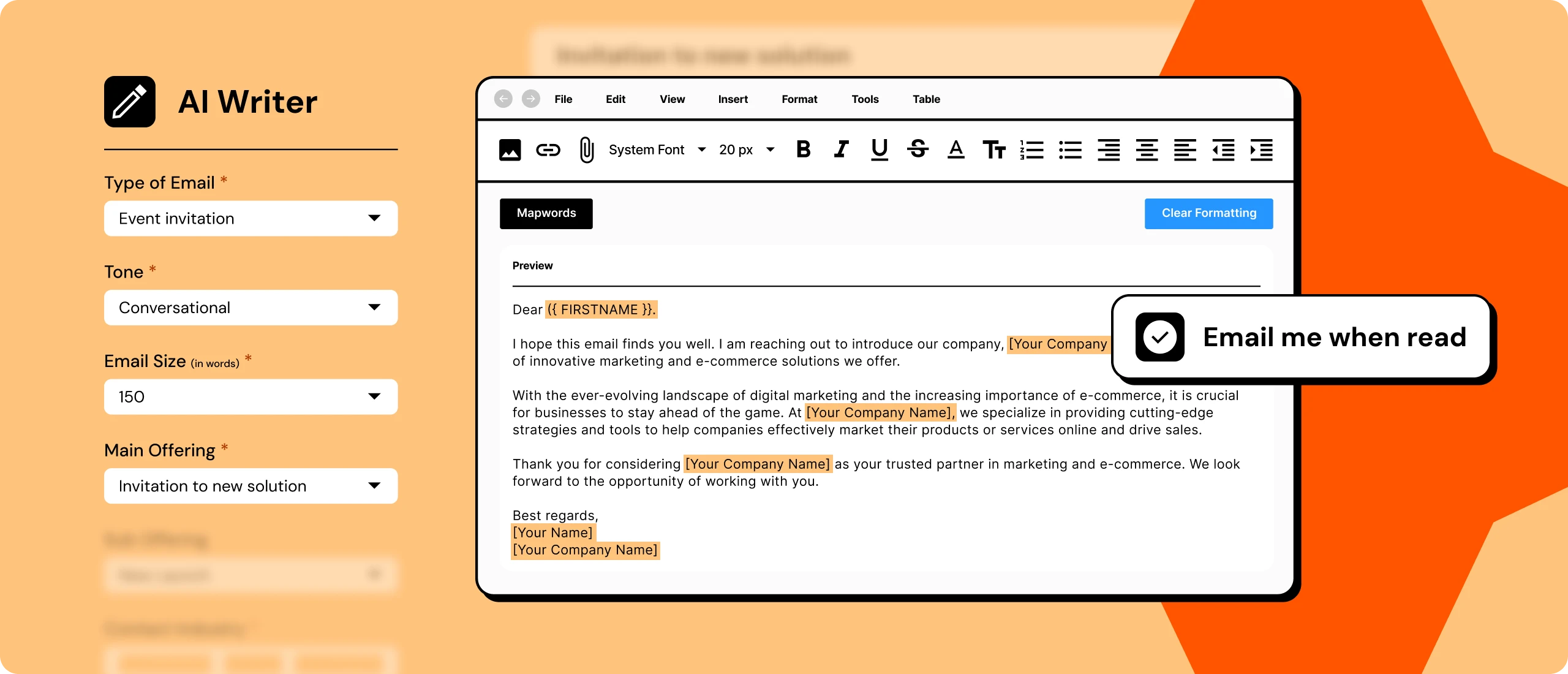
- Launched in March 2026, Apollo AI Assistant helps reps write emails, summarize prospect research, score leads, and build sequences using natural language. It works well as a general-purpose assistant sitting on top of the platform, but it is not a purpose-built intelligence system. It does not deeply understand your pipeline context, nor does it autonomously execute outbound on your behalf.
What Is Clodura.AI and What Does It Do?
- Clodura.AI is an AI-driven B2B sales intelligence platform trusted by 73,000+ sales professionals globally, built around one of the largest verified contact databases in the market at 600M+ contacts, 250M+ direct dials, and 46M+ org charts.
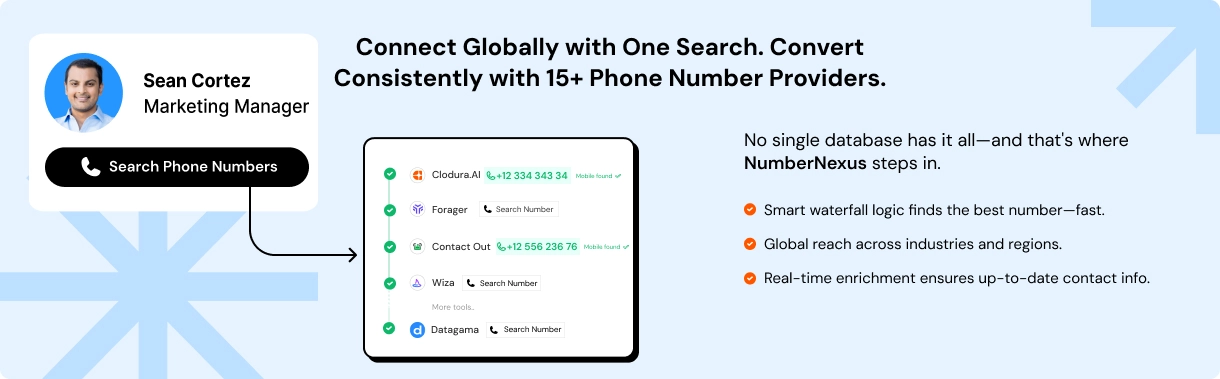
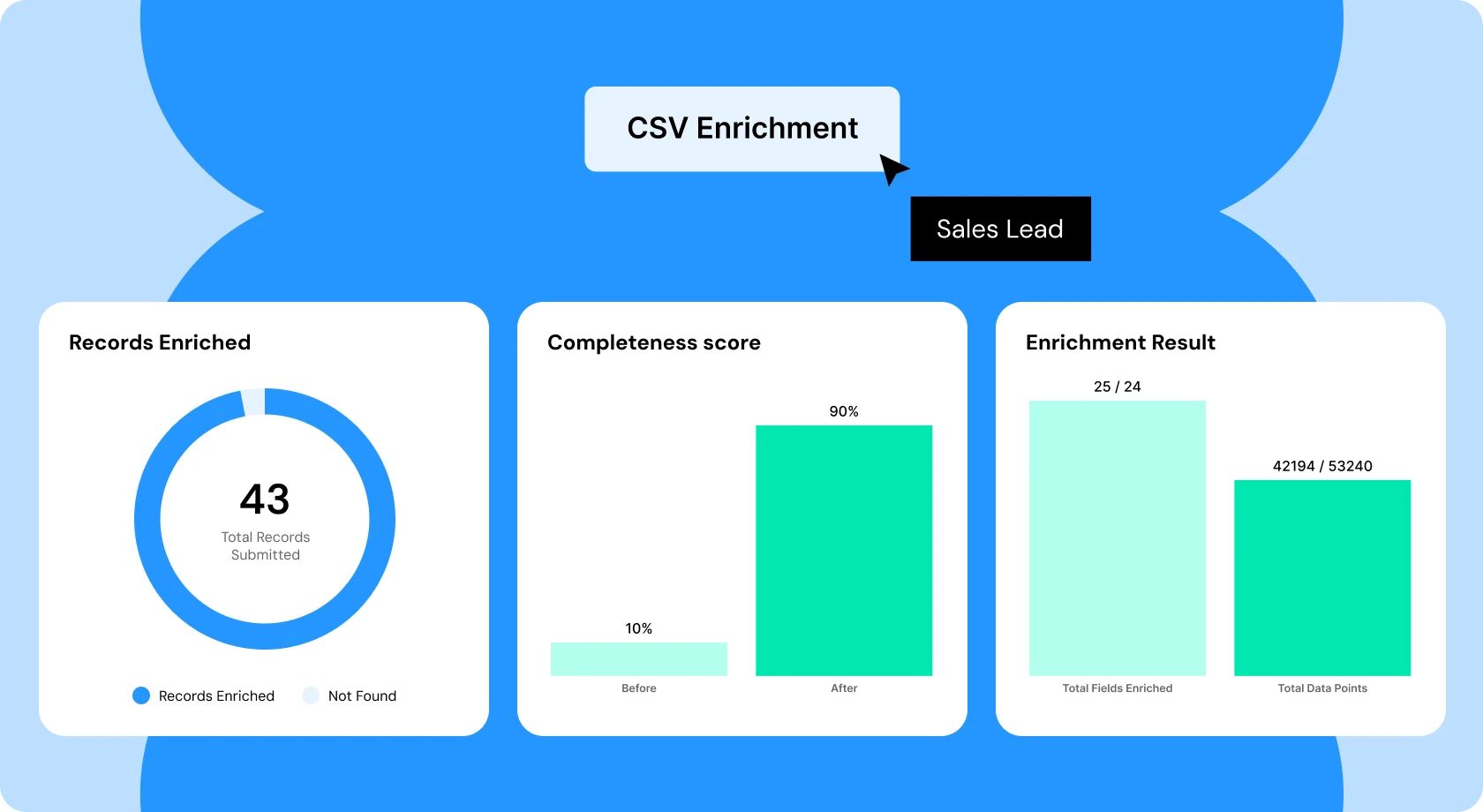
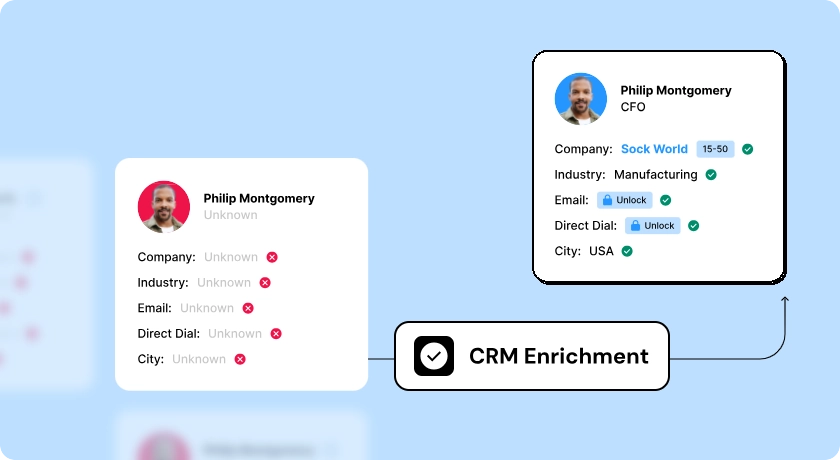
- It gives sales teams access to enriched contact and company data updated daily, with a 95% accuracy rate backed by a built-in waterfall enrichment system that automatically queries 50+ email providers and 20+ phone providers in sequence with no separate vendor integrations, no manual steps, no additional cost. This multi-vendor waterfall is Clodura.AI’s single biggest structural advantage over single-source platforms like Apollo.io.
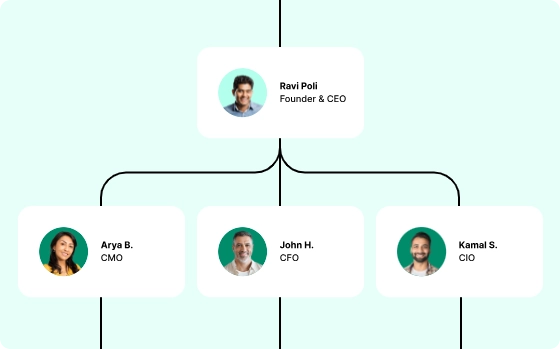
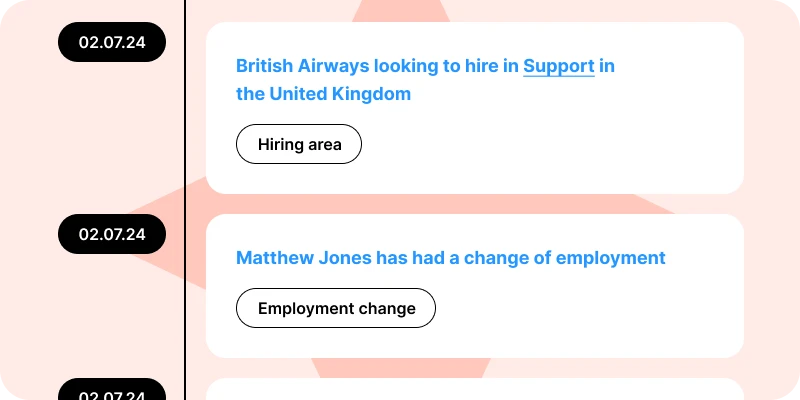
- Clodura.AI includes buyer intent signals with scoring, hiring intent signals, company intelligence reports, and org charts, giving reps a much deeper picture of a prospect before the first touchpoint.
- The Clodura.AI Chrome extension works for real-time contact discovery on LinkedIn and any website, connected directly to Clodura.AI’s enrichment waterfall.
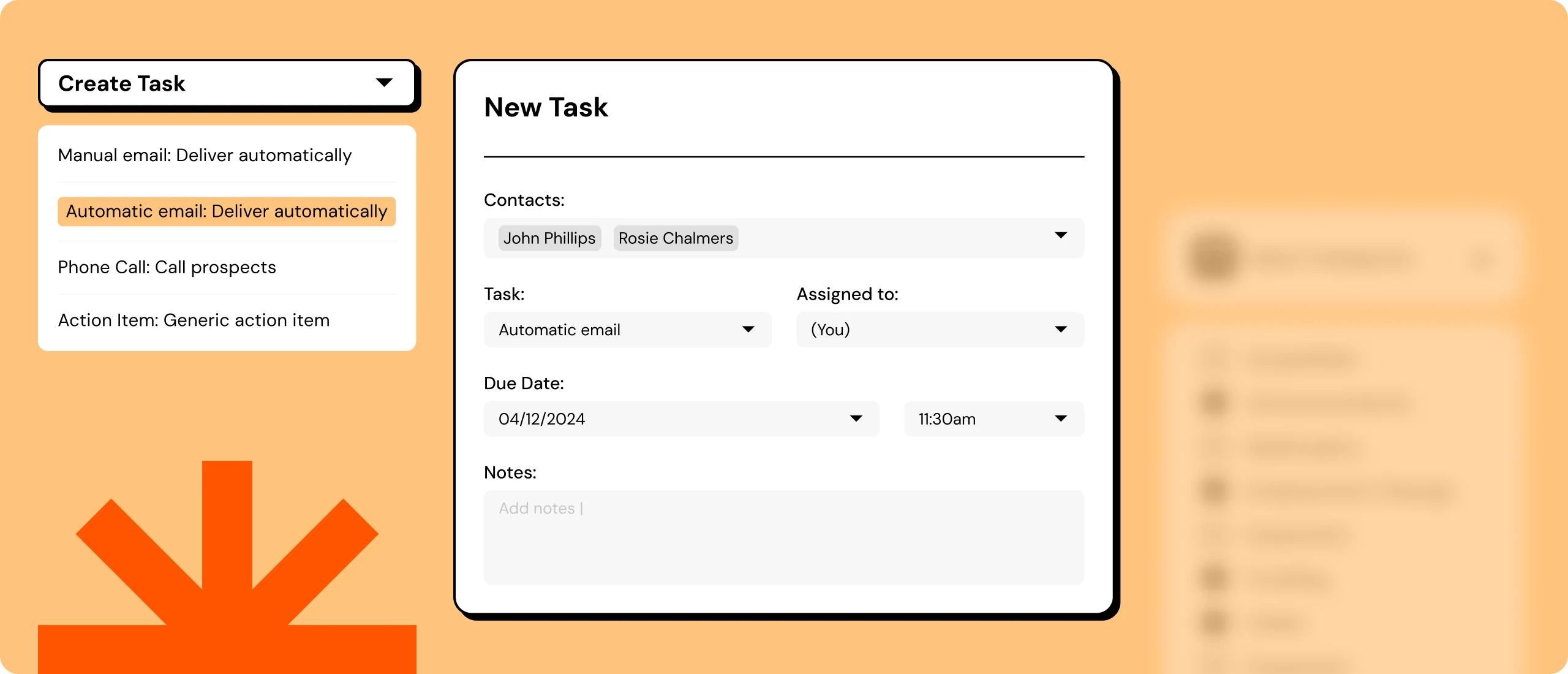
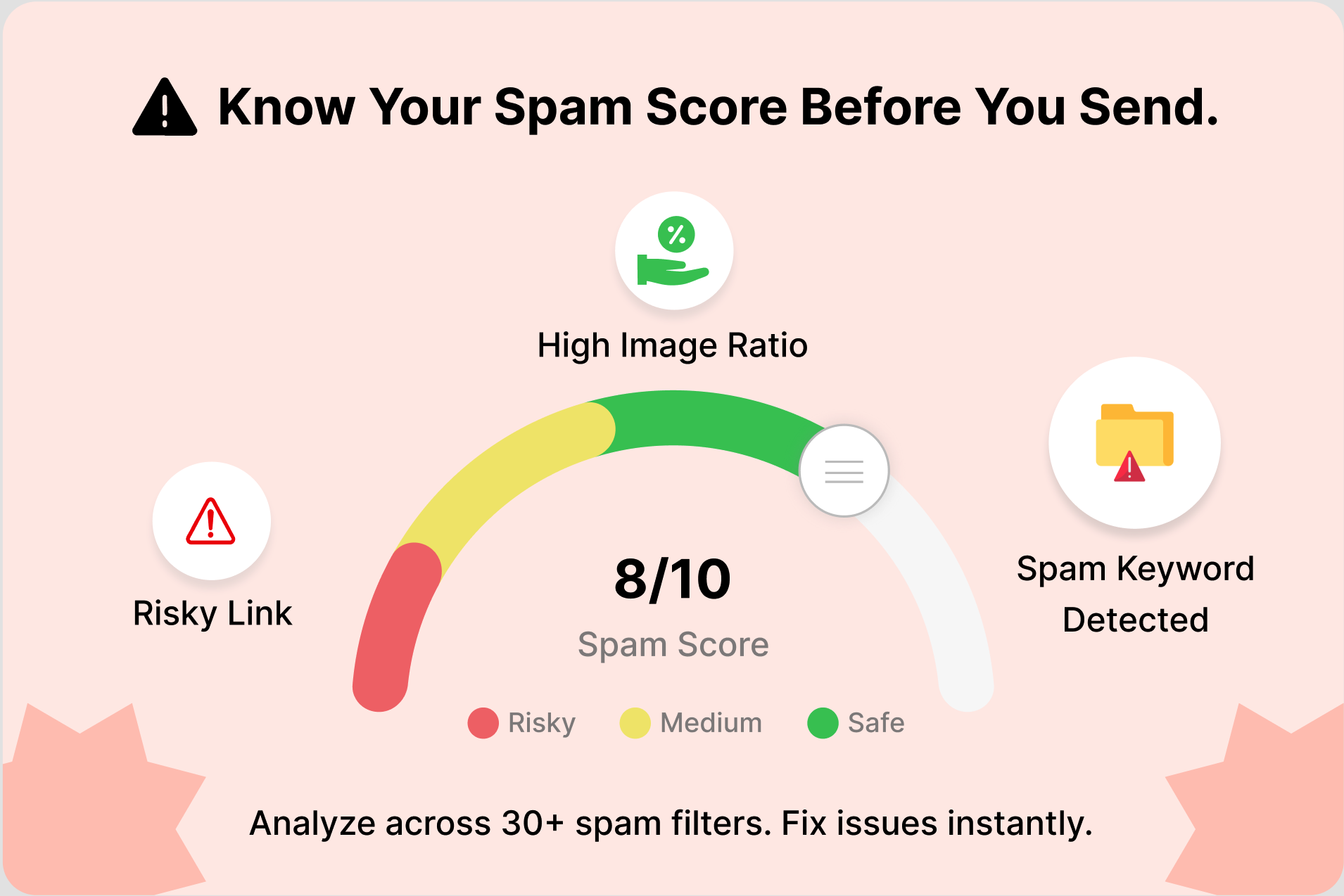
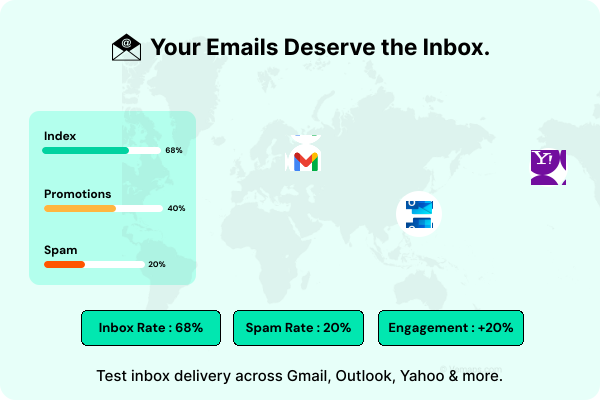
- The platform includes a built-in dialer called CallPilot, automated email cadences, spam score checking, email warmup, and inbox placement testing tools that directly protect deliverability and campaign performance.
- Clodura.AI integrates with major CRMs, including Salesforce, HubSpot, Pipedrive, Freshsales, Zoho, and Microsoft Dynamics 365.
- Where Clodura.AI genuinely separates itself from Apollo on the AI front is Atlas. Launched in April 2026, Atlas is not a general AI assistant. It is a fully autonomous, AI-native SDR built ground-up to replace the fragmented outbound stack entirely. It unifies data, enrichment, signal detection, email verification, sequencing, and delivery into a single execution engine, running every campaign through a pre-launch testing protocol against 250,000+ test inboxes before a single real email is sent.
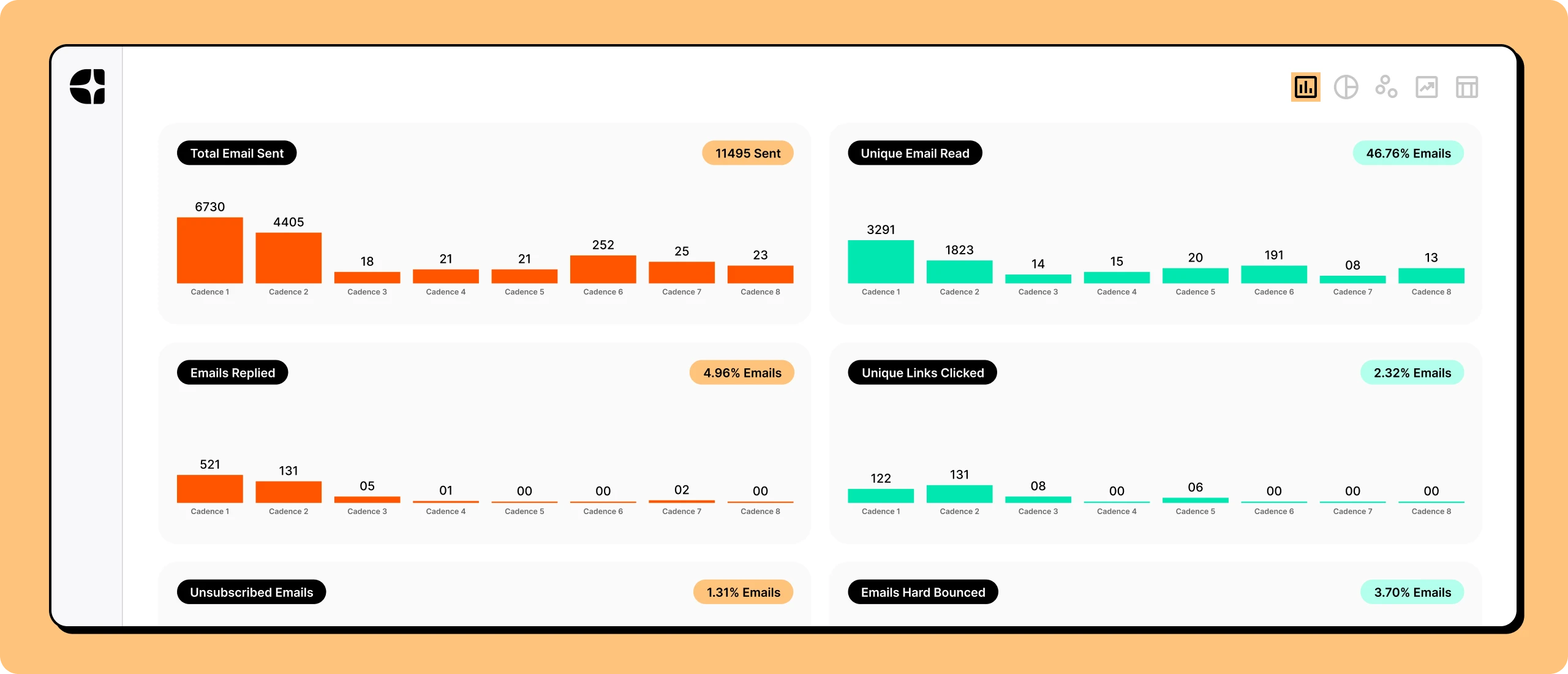
- Atlas operates on a human-approval model where teams review and edit sample emails before any sequence goes live, making it governed agentic execution rather than black-box automation. According to Clodura.AI internal performance data, Atlas campaigns have delivered reply rates up to 8x higher than reported industry averages and open rates exceeding 40%, with 95% primary inbox placement.
Clodura.AI vs Apollo.io Data Coverage: Which B2B Contact Database Gives You More in 2026?
When you are running outbound at scale, your database is your foundation. The size, accuracy, and freshness of your contact data directly determine how far your outreach budget actually goes.
Here’s how Clodura.AI vs Apollo.io stack up on the data that matters most.
| Metric | Clodura.AI | Apollo.io |
| B2B Contact Database | 600M+ | 230M+ |
| Direct Dials / Phone Numbers | 250M+ | 125M+ |
| Company Profiles | 50M+ | 35M+ |
| Org Charts | 46M+ | Not available |
| Data Accuracy | 95% | ~80% |
What the Data Gap Between Clodura.AI v/s Apollo.io Actually Means in Practice
- Clodura.AI’s database is more than twice the size of Apollo’s. For teams prospecting in niche verticals, smaller companies, or emerging markets, a larger database generally means higher hit rates and fewer dead ends.
- Apollo.io’s database of 230M+ contacts is still substantial and performs well for many use cases, particularly for North American tech and SaaS prospecting where its coverage is strongest.
- Based on independently reported user reviews and third-party comparisons, Apollo’s data accuracy is estimated at around 80% for North American contacts. This means some contacts may be outdated or incorrect, which is worth factoring into your bounce rate expectations before launching campaigns.
- Clodura.AI reports a 95% accuracy rate backed by daily data refreshes across 50+ email enrichment providers and 20+ phone providers. Independent reviews generally support higher accuracy figures for Clodura.AI, though results can vary by industry and geography.
Why Data Accuracy Matters More Than Size
- Based on the accuracy figures reported by each platform, a database of 230M contacts at 80% accuracy gives you approximately 184M usable contacts. A database of 600M contacts at 95% accuracy gives you approximately 570M usable contacts. On that basis, Clodura.AI offers more than three times the volume of potentially accurate contact data.
- High bounce rates do not just waste credits. They damage your sending domain’s reputation, reduce your inbox placement rate, and make every subsequent campaign less effective, meaning bad data has a compounding negative effect on your entire outbound motion.
- Both platforms offer email verification tools, though they differ in depth and approach. Clodura.AI’s built-in email verification, catch-all email detection, and daily data refresh are designed to keep bounce rates low and sender reputation intact. Teams should evaluate how each platform performs on their specific target segment during any trial period before committing.
Clodura.AI vs Apollo.io Global Data Coverage: Why Database Size Matters for B2B Sales Prospecting
Database size tells you what is possible. Geographic coverage tells you what is actually usable for your specific market. If your GTM motion extends beyond North America, here’s how each platform performs by region.
Apollo.io International Data Coverage
- Apollo.io’s database is strongest in the United States and Canada, where it was primarily built and where the majority of its 9,659 G2 reviewers are based.
- Based on independently reported user reviews in 2026, Apollo’s data accuracy outside North America is generally estimated between 60–73%, depending on region and industry. These figures are user-reported and may vary based on target segment and use case.
- In APAC markets including India, Southeast Asia, Japan, South Korea, and Australia, G2 reviewers have reported varying match rates and data freshness. Results appear to be more consistent in larger enterprise segments than in mid-market.
- In LATAM markets including Brazil, Mexico, Colombia, and Argentina, user reports suggest contact depth and phone number accuracy can be inconsistent, particularly for smaller companies.
- For EMEA, Apollo’s coverage is generally reported as stronger in the UK and Germany, with more variable results across the DACH region, the Nordics, Southern Europe, the Middle East, and Africa.
- Apollo’s international dialer is available as a paid add-on and is not included in the base plans.
Clodura.AI International Data Coverage
- Clodura.AI’s waterfall enrichment architecture queries 50+ email providers and 20+ phone providers in sequence, drawing from a geographically diverse provider network rather than a single database. This approach is designed to improve coverage in markets where single-source databases have historically underperformed.
- Clodura.AI reports active customers across 195 countries, with adoption tracked across the Americas, EMEA, and APAC.
- For teams targeting the Indian market specifically, Clodura.AI’s origins and early focus on South Asian B2B data means its coverage in this segment is generally considered stronger than most North America-centric platforms.
- CallPilot, Clodura.AI’s built-in dialer, supports outbound calling to the US, Canada, and additional countries through local presence numbers. This is included in the platform rather than offered as a separate add-on.
- Clodura.AI refreshes its data daily across its provider network, which is designed to maintain accuracy in regions where contact information changes frequently.
What to Consider When Evaluating International Coverage
- Neither platform guarantees complete coverage in every market. The best way to evaluate international data quality for your specific ICP is to run a test search on both platforms against your target segment before committing to an annual plan.
- Teams with significant outbound activity outside North America should factor in not just database size but also data freshness, phone number accuracy, and dialer availability when making their decision.
Clodura.AI vs Apollo.io Credit System: Expiry, Rollover, Overage Charges and Limits Explained
Now that we have covered the data, let’s talk about the number that actually determines how far your budget goes and the genuine cost per lead.
Here’s how Apollo’s credit system works. Every plan gives you a set number of credits per seat per year. Those credits are the currency for everything: unlocking emails, phone numbers, enriching data, even using the dialer.
- 1 credit = 1 verified email
- 8 credits = 1 phone number
- 9 credits = 1 full lead (email + phone)
Apollo.io’s credits do not roll over. Unused credits at the end of your billing cycle are gone.

Apollo Basic: $49/seat/month (billed annually)
- Annual cost: $588/seat
- Credits: 30,000/seat/year
- Email only leads: 30,000/year (2,500/month)
- Full leads (email + phone): 30,000 ÷ 9 = ~3,333/year (~277/month)
- Cost per 1,000 full leads: ~$176
For a single rep doing active outbound, 277 full leads per month runs out in roughly 5 working days.
Apollo Professional: $79/seat/month (billed annually)
- Annual cost: $948/seat
- Credits: 48,000/seat/year
- Full leads (email + phone): 48,000 ÷ 9 = ~5,333/year (~444/month)
- Cost per 1,000 full leads: ~$178
Apollo Organization: $119/seat/month (billed annually, minimum 3 seats)
- Annual cost: $1,428/seat, minimum $4,284/year for the team
- Credits: 72,000/seat/year
- Full leads (email + phone): 72,000 ÷ 9 = ~8,000/year (~666/month)
- Cost per 1,000 full leads: ~$178
Notice something?
The cost per 1,000 full leads barely changes as you move up the plans. In fact, you’re paying more per seat but not getting proportionally more leads. You’re mostly paying for additional features, not additional prospecting capacity.
And that’s before factoring in that credits are also consumed by data enrichment (1–8 credits per record), AI Research runs (1 credit each), and dialer usage (2 credits per minute). In practice, most teams get 15–20% fewer usable leads than the raw credit math suggests.
Now let’s look at Clodura.AI pricing and what you actually get.

Clodura.AI offers three plans: Free Forever, Max, and Pay As You Go (PAYG). All plans include unlimited users, which is the single biggest structural difference from Apollo from the moment you sign up.
Here’s how Clodura.AI credits work:
- ~1 credit per email found
- ~10 credits per phone number
- 3 credits per email sent via Atlas sequence
- 3 credits per call minute
- 200 credits per warm-up session
- 50 credits per inbox placement test
Free Forever: $0/month
- 100 credits/month
- Unlimited users
- Access to the full 600M+ leads database, waterfall email and phone finder, org charts, buyer intent signals, hiring signals, email sequences, Atlas AI, spam score check, inbox placement test, mailbox warmup, and CallPilot.
Max: $89/month (billed annually)
- 4,500 credits/month
- Unlimited users
- Everything in Free, plus 1:1 onboarding, assigned account manager, and plan customization
Pay As You Go (PAYG): $99 (billed once)
- 2,025 credits, one-time purchase
- Unlimited users
- No recurring commitment. Buy credits when you need them
Clodura.AI Max: $89/month (billed annually)
- Annual cost: $1,068/year for the entire team, regardless of how many users
- Credits: 4,500/month, 54,000/year
- Email only leads: ~54,000/year (4,500/month)
- Full leads (email + phone = ~11 credits): 54,000 ÷ 11 = ~4,909/year (~409/month)
- Cost per 1,000 full leads: ~$218
Unlike Apollo, Clodura.AI takes the opposite approach. Clodura.AI allow unused credits to roll over for up to 2 months on monthly plans, and on annual plans all credits are provided upfront and remain valid for the full 12 months. For teams with variable outreach volume, this eliminates the use-it-or-lose-it pressure that Apollo’s no-rollover policy creates.
Side-by-Side Credit System Comparison of Apollo vs Clodura
| Metric | Apollo.io | Clodura.AI |
| Credit model | Per seat | Shared across unlimited users |
| Credits roll over | No | Yes, up to 2 months on monthly plans; Full 12 months on annual |
| Export charges | Yes | No |
| Overage cost | $0.20/credit (min 250) | PAYG top-up available |
| Dialer credit draw | 2 credits/minute | 3 credits/minute |
| Hidden credit draws | Enrichment, AI Research, exports | None beyond stated actions |
| Rewards / free credits | No | Yes, up to 550 free credits on onboarding |
| Startup discount | No | Up to 50% off |
| Team credit management | Individual per seat | Centralized admin allocation |
Clodura.AI vs Apollo.io Pricing Compared: Real Cost Per 1,000 Emails, Full Leads and What Your Team Actually Pays
Now that you understand how each credit system works, here is what that means at team scale, and where the real cost difference becomes impossible to ignore.
The team-scale reality check between Apollo Professional and Clodura.AI
| Metric | Apollo Professional (5 seats) | Clodura.AI Max (Unlimited Users) |
| Annual cost | $4,740/year | $1,068/year |
| Full leads/month | ~2,220 (444 × 5) | ~409 (shared pool) |
| Cost per 1,000 full leads | ~$178 | ~$218 |
| Export penalties | Yes | No |
| Hidden credit draws | Yes | No |
| Data accuracy | ~80% | 95% |
| Waterfall enrichment providers | Basic | 50+ email, 20+ phone |
| Users included | 5 (per seat) | Unlimited |
| Annual savings vs Apollo | — | ~$3,672/year |
At first glance, Apollo appears to have the advantage. A five-user team receives significantly more lead volume and a lower cost per 1,000 leads on paper.
However, lead volume is only one part of the equation. Data quality, enrichment coverage, user scalability, and total platform cost also influence the actual value your team receives.
Using the accuracy figures reported by each platform, Apollo’s 26,640 annual leads could theoretically result in approximately 5,328 records that may be inaccurate, outdated, or otherwise unusable. By comparison, Clodura.AI’s 4,908 annual leads could result in roughly 245 records affected by similar issues. Actual results will vary based on industry, geography, and targeting criteria.

The cost difference is equally significant. A five-person team on Apollo Professional spends approximately $4,740 per year, while Clodura.AI Max costs $1,068 annually and includes unlimited users. As teams grow, the gap becomes even more noticeable because Apollo’s costs scale with every additional seat, while Clodura.AI’s pricing remains unchanged.
Ultimately, the decision comes down to what your team values most. If maximizing raw prospecting volume is the primary objective, Apollo’s higher lead allowances may be attractive. But for teams prioritizing data accuracy, enrichment depth, predictable pricing, and scalability, Clodura.AI presents a compelling case, particularly as team size grows and the per-seat cost gap widens.
Clodura.AI vs Apollo.io: A Full Feature-by-Feature Comparison of Two Leading B2B Sales Prospecting Tools
| Feature | Clodura.AI | Apollo.io |
| B2B Email Database | 600M+ contacts | 231M+ contacts |
| Phone/Direct Dials | 250M+ | 125M+ |
| Company Database | 50M+ companies | 35M+ companies |
| Org Charts | 46M+ | Not available |
| Data Accuracy | 95% | ~80% |
| Data Update Frequency | Daily | Monthly |
| Email Enrichment Providers | 50+ (waterfall) | Apollo only |
| Phone Enrichment Providers | 20+ (waterfall) | Apollo only |
| Catch-all Email Verification | Yes | No |
| Chrome Extension | Yes | Yes |
| Unlimited Users | Yes ($89/month team) | No (per user pricing) |
| Email Sequences | Unlimited | Unlimited (Professional+) |
| Buyer Intent Signals | Yes (with scoring) | Yes (limited topics) |
| Hiring Intent | Yes | No |
| Company Intelligence Reports | Yes | No |
| Built-in Dialer | Yes (CallPilot, global) | Yes (US + limited international) |
| AI Email Writer | Yes | Yes (limited/extra cost) |
| Conversation Intelligence | Basic | Advanced (call analytics) |
| CRM Integrations | 6 major CRMs | 5+ major CRMs |
| Export Penalties | No | Yes (export credits) |
| Credit Rollover | Rolls over up to 2 months (monthly); Valid 12 months (annual) | No rollover |
| Spam Score Check | Yes | No |
| Email Warmup | Yes | No |
| Inbox Placement Test | Yes | No |
| Pricing (entry paid) | $89/month (team) | $49/month (1 user) |
| G2 Rating | 4.5/5 | 4.7/5 |
Clodura.AI vs Apollo.io G2 Ratings: What Real Users Say About These B2B Sales Intelligence Tools in 2026
G2 ratings tell you what actual users think after weeks and months of daily use, not what the marketing pages say. Here’s how both platforms stack up:
| G2 Category | Apollo.io | Clodura.AI |
| Meets Requirements | 9.1/10 | 8.7/10 |
| Ease of Use | 9.0/10 | 8.9/10 |
| Ease of Admin | 9.0/10 | 8.4/10 |
| Quality of Support | 8.8/10 | 9.0/10 |
| Ease of Setup | 8.9/10 | 8.7/10 |
| Product Direction | 9.4/10 | 9.4/10 |
What the 2026 G2 Numbers Actually Tell You
- Apollo.io leads on Meets Requirements, Ease of Use, Ease of Admin, and Ease of Setup, all of which reflect how polished and intuitive the platform is for day-to-day use, which is a genuine and consistent strength backed by nearly 10,000 reviews.
- Clodura.AI wins on Quality of Support, scoring 9.0 vs Apollo’s 8.8, a meaningful difference for teams that need responsive, hands-on help during onboarding and campaign setup, especially given that Clodura.AI’s Max plan includes a dedicated account manager and 1:1 onboarding as standard.
- Product Direction is tied at 9.4/10 which is worth paying attention to. Apollo is a mature platform with 600,000+ users, so maintaining a 9.4 product direction score at that scale reflects genuine user confidence. Clodura.AI matching that score with a much smaller but faster-growing user base suggests its roadmap, including Atlas and its expanding waterfall enrichment network is resonating strongly with the teams using it.
- Apollo’s “Inaccurate Data” tag appears 469 times across its 9,659 reviews that is roughly 1 in every 20 reviewers specifically calling out data quality as a problem. For a B2B sales intelligence platform where data accuracy is the core value proposition, that frequency is a meaningful signal.
- Clodura.AI’s most common criticism on G2 is “Learning Curve” with 18 mentions, which confirms what we noted in the honest Apollo assessment. Clodura.AI requires slightly more onboarding time than Apollo but delivers more capability once teams are up and running.
What Apollo.io Users Praise on G2
- Apollo.io reviews on G2 frequently praise ease of use as the single most mentioned positive theme with 1,587 mentions. New reps consistently report being productive within their first day on the platform.
- Lead generation capabilities are praised by 1,349 reviewers, specifically highlighting Apollo’s filterable database and the ability to build targeted prospect lists quickly.
- The Apollo.io Chrome Extension and LinkedIn integration receive specific callouts for making daily prospecting faster and more seamless without switching between tools.
- Users describe Apollo as the best all-in-one platform for the price, particularly for startups and small teams running email-led outbound in North American markets.
What Apollo.io Users Criticize on G2
- Missing features are flagged by 559 reviewers. The most common gap mentioned being the absence of robust international data, deeper buying signals, and deliverability tools like email warmup, which Apollo discontinued.
- Inaccurate data appears 469 times, with users specifically reporting bounce rates of 15–35% on exported contacts, outdated job titles, and invalid phone numbers particularly for contacts outside the United States.
- The credit system frustration is a recurring theme. Users report running out of credits mid-campaign, unexpected enrichment draws, and overage charges that push real monthly costs well above the advertised per-seat rate.
What Clodura.AI Users Praise on G2
- Data accuracy and quality receive the strongest praise. Users consistently highlight that Clodura.AI’s contact data is detailed, up-to-date, and well-segmented compared to alternatives they have used previously.
- The platform’s smart filters and advanced search capabilities are frequently cited as time-savers that make it faster to identify and connect with the right decision-makers.
- Support quality and onboarding experience are praised consistently. Users highlight that the Clodura.AI team is responsive, helpful, and invested in getting new customers up and running quickly.
- The unlimited user model is mentioned positively by team leads and sales managers who note the significant cost advantage compared to per-seat tools they have used previously.
What Clodura.AI Users Criticize on G2
- Learning curve is the most common criticism. Some users note that the platform’s depth of features requires more time to master than simpler tools, and that initial navigation can feel overwhelming without onboarding support.
- Some reviewers note occasional data gaps for very niche industries or specific geographies, though the waterfall enrichment from 50+ providers mitigates this significantly compared to single-source platforms.
- The smaller community compared to Apollo means fewer publicly available tutorials, templates, and peer advice teams that rely heavily on community resources may feel the difference.
Apollo.io Features That Still Lead in 2026: An Honest Assessment From a Clodura.AI Perspective
Based on verified features and user reviews, here is where Apollo.io has a meaningful advantage over Clodura.AI in 2026.
1. Raw Lead Volume at Scale
- If your team’s primary need is high-volume, email-only outbound in the North American market, Apollo’s per-seat credit model actually delivers more raw contact volume per dollar than Clodura.AI at individual user level.
- For solo SDRs or very small teams of 1–2 people doing focused US-market prospecting, Apollo’s Basic plan at $49/seat/month is a legitimate, cost-effective entry point.
2. User Interface and Ease of Use
- Apollo.io consistently scores higher than Clodura.AI on ease of use in G2 ratings, and that gap reflects a real difference in the day-to-day experience of using the platform.
- New reps can get up and running on Apollo with minimal training. The interface is clean, intuitive, and logically structured in a way that reduces onboarding time significantly.
- For sales managers hiring from the market, there is a higher probability that incoming SDRs have already used Apollo, which means even less ramp time when someone new joins the team.
3. Conversation Intelligence and Call Analytics
- Apollo’s call recording, transcription, and conversation intelligence features are genuinely well-developed and represent one of the platform’s strongest differentiators for sales managers who coach reps actively.
- The Professional plan includes 4,000 minutes of call recording and AI insights, and the Organization plan doubles that to 8,000 minutes giving managers a meaningful library of calls to review, analyze, and coach from.
- Talk-time ratio analysis, keyword tracking across calls, and automated follow-up email drafting based on call content are features that Clodura.AI’s CallPilot does not currently match in depth.
- For teams where call coaching and rep development are a high priority, Apollo’s conversation intelligence capability is a real reason to choose it over alternatives.
4. Brand Recognition and Ecosystem Maturity
- Apollo.io is trusted by hundreds of thousands of companies worldwide, and that scale has produced a mature ecosystem of third-party integrations, community resources, YouTube tutorials, and peer recommendations that Clodura.AI simply does not have yet.
- If your team relies heavily on community knowledge sharing, such as Reddit threads, SDR Slack groups, sales communities, the volume of Apollo-specific advice, templates, and workflow tips available publicly is significantly larger than what exists for Clodura.AI.
- Apollo’s integrations with Salesforce, HubSpot, Outreach, and SalesLoft have been refined over years of enterprise usage, and for teams running complex multi-tool GTM stacks, that integration maturity can reduce implementation friction meaningfully.
5. Established Enterprise Features
- The Organization plan includes Single Sign-On (SSO), advanced security configurations, customizable reports and dashboards, and the ability to use your own LLM API key, features that matter to enterprise IT and security teams evaluating tools for large-scale deployment.
- For companies with strict compliance, security, or data governance requirements, Apollo’s enterprise-grade controls on the Organization plan provide a level of configurability that is relevant for procurement and IT sign-off processes.
6. Gong Integration
- Apollo allows teams to import Gong calls directly into the platform, centralizing call recordings and unlocking Apollo Conversations features such as transcripts, AI-written summaries, and conversation analysis, all within a single interface.
- For enterprise sales teams already using Gong as their primary conversation intelligence tool, this integration means they do not have to choose between platforms: Apollo and Gong work together, with Apollo handling prospecting and data while Gong handles the deeper revenue intelligence layer.
7. Built-in Meeting Scheduling
- Apollo’s Meetings Scheduler lets prospects book meetings directly from cold emails or landing pages, connecting with Google and Outlook calendars to prevent double-booking, and eliminating the back-and-forth that typically slows down the booking process.
- Meeting scheduling links embedded in Apollo emails convert well in practice. One independent review reported that 23% of engaged prospects booked directly rather than the typical email back-and-forth.
- Microsoft Teams and Google Meet are integrated for meeting scheduling, meaning prospects can book directly through Apollo emails without leaving their inbox.
8. A/B Testing in Email Campaigns
- Apollo’s email sequence builder supports multi-step sequences, basic A/B testing, and conditional logic, allowing teams to test different subject lines, email body copy, and send times against each other within the same campaign.
- A/B testing for email campaigns is available from the Professional plan at $79/seat/month onward, making it accessible to most paid Apollo users without requiring an enterprise upgrade.
- For teams that run structured, data-driven outbound experiments and want to systematically improve reply rates through controlled testing, Apollo’s A/B testing capability is a genuine and well-implemented feature.
Clodura.AI or Apollo.io: Which Lead Generation Software Should Your Sales Team Choose in 2026?
Before making a final decision, it’s worth remembering that both platforms are frequently considered among the best sales intelligence software options for modern B2B prospecting teams.
The right choice depends less on which platform is objectively “better” and more on your team’s priorities, budget, target market, and outbound strategy.
Choose Apollo.io If:
- You are a solo SDR or a team of 1–2 people doing focused, high-volume outbound exclusively in the United States or Canadian market, where Apollo’s database is strongest and the per-seat credit model is least punishing.
- Cold calling is central to your sales motion, and you need mature conversation intelligence features such as call recording, transcription, talk-time analysis, and AI-assisted coaching, built directly into your prospecting platform without paying for a separate tool.
- Your team is brand new to outbound sales and needs a platform with a low learning curve, a polished interface, and a large public knowledge base of tutorials, templates, and community advice to draw from.
- You are running a Salesforce or HubSpot-heavy GTM stack and need deep, battle-tested CRM integrations that have been refined over years of enterprise usage rather than newer integrations still being developed.
- Your outreach is primarily email-only at moderate volume, fewer than 500 full leads per rep per month, and you are not doing significant multichannel outbound that would burn through phone credits quickly.
- You are an enterprise team with strict IT and security requirements that need SSO, advanced security configurations, custom reporting, and the option to bring your own LLM API key to the platform.
Choose Clodura.AI If:
- You have a team of 3 or more people and want a platform where your entire team shares access without paying per seat. The unlimited user model on the Max plan at $89/month is one of the most significant cost advantages in the B2B sales intelligence market in 2026.
- You want enrichment that actually works by default, not as an afterthought, and you are tired of paying for multiple data vendors separately. With Apollo, getting broad enrichment coverage often means bolting on third-party tools like Clearbit, Lusha, or ZoomInfo alongside your subscription. Clodura.AI’s waterfall enrichment is built into the platform from day one, automatically querying 50+ email providers and 20+ phone providers in sequence until a verified result is found inside the default workflow, with no separate purchases, no extra integrations, and no manual steps. For teams frustrated by thin data, high bounce rates, or a fragmented vendor stack, this single architectural difference changes everything about the quality and cost of your outbound data.

- Budget predictability matters to your team. You want to know exactly what you are paying each month without worrying about credit overages, export fees, enrichment draws, or dialer consumption quietly inflating your bill.

- You sell to companies that are actively hiring and want to use hiring intent signals to identify prospects with budget availability and growth momentum before your competitors do, a targeting capability Apollo does not offer.
- You need to navigate complex enterprise accounts with multiple decision-makers and want org chart data covering 46M+ companies to map stakeholder hierarchies before the first outreach touchpoint.
- You want AI that goes beyond assistance and moves toward autonomous execution. Clodura.AI’s Atlas is purpose-built to run governed, end-to-end outbound sequences with human approval gates, pre-launch deliverability testing across 250,000+ test inboxes, and reply rates that significantly outperform industry averages.
- Email deliverability is a priority for your team, and you want spam score checking, inbox placement testing, and mailbox warmup built natively into your prospecting platform rather than paying for separate tools to cover those gaps.
- You are an early-stage startup looking to build an outbound motion without committing to expensive per-seat contracts then Clodura.AI’s startup program offers up to 50% off, and the Free Forever plan gives genuine access to the full platform to test before spending anything.
Bottom Line: Final Discussion on Clodura.AI vs Apollo.io
If you have made it this far, the answer is probably clearer than it was when you started.
The simplest way to frame this choice is this: if you want a holistic all-in-one platform and data is not your primary concern, and you are comfortable buying and managing separate data vendors for enrichment, Apollo.io is a solid, mature option. But if data is your focus, if you need the highest possible accuracy, the broadest international coverage, and enrichment built into the default workflow rather than bolted on separately, Clodura.AI is the stronger choice.
With a 600M+ B2B contact database, waterfall enrichment from 50+ providers, unlimited users on a single plan, and Atlas handling end-to-end outbound execution, Clodura.AI brings together capabilities that many teams would otherwise need multiple tools to achieve.
The best Apollo.io alternative is not simply the one that costs less. It is the one that fits how your team sells, where your prospects are, and how you plan to scale. For many teams evaluating top Apollo.io competitors in 2026, Clodura.AI stands out as one of the most complete lead generation software platforms available to sales teams at any stage of growth.
Ready to see it for yourself?
Start your free trial today: no credit card required, unlimited users from day one, and full access to the platform.
Book a live demoFrequently Asked Questions
The most fundamental difference is how each platform charges you. Apollo.io charges per seat, meaning every user on your team pays individually, and every action, unlocking an email, a phone number, enriching a record, or using the dialer, consumes credits from that user’s individual allocation. Clodura.AI charges per team, meaning unlimited users share a single credit pool at a flat monthly rate. For teams of 3 or more, this structural difference alone can save thousands of dollars annually.
For most growing B2B sales teams in 2026, yes. Clodura.AI has a larger database (600M+ contacts vs 230M+), higher data accuracy (95% vs ~80%), daily data updates vs monthly, waterfall enrichment from 50+ email and 20+ phone providers, unlimited users on a single plan, no export penalties, hiring intent signals, and org charts, none of which Apollo offers natively. It holds a 4.5/5 rating on G2, scores higher than Apollo on support quality, and has a faster-improving product roadmap based on G2’s product direction scores.
Apollo’s plan provides a set number of credits per year. Credits do not roll over, which means unused credits at the end of the billing period are forfeited. Clodura.AI handles this differently. Unused credits roll over for up to 2 months on monthly plans, and annual plan credits remain valid for the full year.
When Apollo credits run out, your team loses the ability to unlock new contact information or enrich records until additional credits are purchased. Overage credits cost $0.20 each with a minimum purchase of 250 credits at a time. Real-world outbound teams frequently report total monthly costs of $150–$400 per user once overage charges are factored in, compared to the $49–$119 advertised rate.
Yes. Clodura.AI offers free migration support and has a structured onboarding process designed for teams transitioning from Apollo. There is no downtime required, and your existing contact lists and CRM data are not affected.

Published on: June 8, 2026 |
Share: