












































BLOG

The Real Cost of Clay in 2026: We Did the Math 

Clay pricing in 2026 starts at $167/month, but the real cost for GTM teams often climbs much higher once enrichment credits, phone lookups, AI actions, and waterfall workflows are added. This guide breaks down what Clay really costs, why teams outgrow its credit model, and how Clodura.AI offers a simpler, more predictable alternative for sales teams.

Published on: June 17, 2026 |

Share:

Clay Pricing 2026: The Real Cost for GTM Teams

The first thing that comes to mind for every GTM team about Clay Pricing is how much does Clay cost in 2026? 

Clay’s entry-level paid plan starts at $167/month, but what Clay really costs for many teams is often 3–10x higher. In practice, active GTM teams frequently spend between $500 and $2,000+ per month once enrichment credits, waterfall lookups, phone number searches, AI actions, and third-party data costs are factored in. 

That’s not because Clay is hiding costs. It’s because Clay isn’t a traditional SaaS platform with a simple per-seat subscription. The platform runs on a credit-based model where every enrichment, lookup, workflow action, and waterfall step consumes credits that can quickly add up at scale. 

In this guide, we’ll break down Clay’s pricing plans, explain how actions and data credits work, uncover the biggest cost drivers, estimate what different types of teams actually spend, and compare Clay with a leading B2B sales intelligence platform, Clodura.AI, to help you determine whether Clay is the right fit for your team. 

What Is Clay and Why Do GTM Teams Use It? 

What Is Clay and Why Do GTM Teams Use It? 

Clay is a GTM automation platform that lets sales and marketing teams build custom data enrichment and outreach workflows. Instead of subscribing to a single data vendor, Clay gives you access to 150+ data providers in one place such as Apollo, Clearbit, Hunter, Lusha, ZoomInfo, and dozens more, and lets you run them in a “waterfall” sequence to maximize coverage. 

It’s become a favorite tool among GTM engineers, RevOps professionals, and growth teams who need to automate prospecting at scale with custom logic. Clay’s Claygent AI agent can perform web research on any prospect, and its Sculptor feature lets you build entire GTM workflows using natural language. 

Clay is genuinely powerful. No one writing an honest breakdown of Clay pricing would dispute that. The platform’s Clay lead enrichment and workflow automation capabilities are widely regarded as among the strongest in the GTM space. The challenge isn’t the tool. It’s that the pricing model is layered in a way that’s easy to underestimate, especially for teams that are new to it. 

How Much Does Clay Pricing Costs in 2026? A Plan-by-Plan Breakdown  

Clay’s current pricing (as of June 2026) has four tiers. All plans are available monthly or annually, with a 10% discount on annual billing. 

Plan Monthly Price Actions Credits 
Free $0 500 100 
Launch $167 15,000 3,000 
Growth $446 40,000 6,000 
Enterprise Custom Custom Custom 

Here’s a closer look at what each plan actually includes, and where the costs start to diverge: 

Clay's current pricing (as of June 2026)

Free Plan 

  • Price: $0 
  • Actions/month: 500 
  • Data credits/month: 100 
  • Key limits: Max 200 rows per table; no phone number enrichment 

The Free plan is useful for experimenting with Clay. You can run waterfalls, try Claygent, and send emails via Clay Sequencer. However, the 200-row limit and lack of phone enrichment make it impractical for any real prospecting volume. 

Launch Plan 

  • Starting price: $167/month (annual) or ~$185/month (monthly) 
  • Actions/month: 15,000 
  • Data credits/month: 2,500 

Additional credit tiers available: 

  • 2,500 credits/mo at $125/mo (annual) or $54/mo as a credit add-on (annual) 
  • 6,000 credits/mo at $290/mo 
  • 10,000 credits/mo at $460/mo 
  • 20,000 credits/mo at $880/mo 
  • 50,000 credits/mo at $2,125/mo 

Launch adds phone number enrichment, job change signals, email campaign integrations, and up to 50,000 rows per table. CRM integrations and HTTP API calls are not included. Those require Growth. 

Growth Plan 

  • Starting price: $446/month (annual) or ~$495/month (monthly) 
  • Actions/month: 40,000 
  • Data credits/month: 6,000 

Additional credit tiers: 

  • 10,000 credits/mo at $413/mo 
  • 20,000 credits/mo at $792/mo 
  • 50,000 credits/mo at $1,913/mo 

Growth unlocks CRM auto-sync, HTTP API integrations, webhook automation, web intent signals, and one ads audience push.  

Enterprise Plan 

  • Price: Custom (annual commitment required) 
  • Actions: Custom (200,000+ per month) 
  • Data credits: Custom (100,000+ per month) 

Enterprise adds data warehouse syncs, unlimited ads audiences, RBAC, SSO, dedicated Growth Strategist, and 15-minute source sync frequency.

How Does Clay’s Credit-based Pricing Work?   

Clay’s credit-based pricing works through two separate currencies charged simultaneously: Actions and Data Credits.  

What Are Clay Actions? 

Actions measure platform usage. The orchestration work Clay does on your behalf. Every time Clay: 

  • Runs an enrichment from a data provider 
  • Makes an API call 
  • Processes a row through a workflow 
  • Calls an AI model 
  • Exports data out of Clay 

…one or more actions are consumed.  

Actions start at less than $0.01 each and get cheaper at scale. They reset each billing cycle and do not roll over. According to Clay, 90% of their customers never hit their action limit at their plan tier, but the 10% who do hit a hard wall until they upgrade. 

What Are Clay Data Credits? 

Data credits are the cost of the data itself such as the email addresses, phone numbers, company firmographics, and technology stack details that Clay fetches from its 150+ partner providers. 

Data credits start at $0.05 each. They work more like a currency than platform capacity: unused credits roll over on Launch and Growth plans (up to one month’s worth of credits). On annual plans, you receive the full year’s credits upfront. 

The key distinction between Action and Data Credits in Clay: When you run an enrichment in Clay, you’re charged an Action (for the platform work) AND Data Credits (for the data). These are additive costs, not alternatives. 

If an enrichment returns no result, Clay charges neither an Action nor Data Credits. This is an important consumer protection, but it only applies when the entire waterfall fails. Individual failed providers within a waterfall sequence do consume Actions (and sometimes credits). However, individual failed provider attempts within a waterfall do still consume Actions. Only the Data Credits are withheld on a failed lookup. 

Why Does This Matter? 

Most SaaS tools charge one flat rate per contact or per export. Clay’s dual-currency model means the true Clay cost per lead depends on: 

  1. How many enrichment steps you run 
  1. Which data providers you hit 
  1. Whether those providers return results 
  1. Whether you’re running waterfalls (hitting multiple providers per contact) 

While this is a trade-off for flexibility, it also means the sticker price on Clay’s pricing page is a floor, not a ceiling. 
 
Does Clay charge separately for enrichment and workflow actions? 

Yes, and this is one of the most misunderstood parts of Clay pricing.  

Every enrichment you run incurs two charges: an Action (for the platform orchestrating the request) and Data Credits (for the data itself if a result is returned). These are separate budgets on separate meters. Running out of Actions mid-month stops your workflows entirely even if you have Data Credits remaining, and vice versa.  

For waterfall enrichments specifically, every provider attempt in the sequence consumes an Action regardless of whether that provider returns a result, only Data Credits are withheld on failed lookups.

How Much Does Each Clay Enrichment Cost? 

Clay charges different amounts of data credits depending on the data type and provider. Here’s a practical breakdown: 

Data Type Approximate Credit Cost Notes 
Email address (basic) 1–3 credits Varies by provider quality 
Email verification 1 credit Included in most email lookups 
Work email (premium sources) 5–10 credits Higher-tier providers like ZoomInfo 
Phone number 10–30+ credits Highest variability; see section 5 
Company firmographics 1–5 credits Depends on depth/source 
AI enrichment (Claygent, fixed) ~10–20 credits/task Flat rate for standard AI tasks 
AI enrichment (variable, e.g., Claude Sonnet) ~10–50 credits/task (estimated) Actual tokens billed post-run; 75% of runs cost less than estimate 
Job change signals Counted against Action limit Part of plan, not separate credit cost 
Web intent signals (Growth+) Varies Requires Growth plan 

Cost Per Credit at Each Plan Tier 

Based on Clay’s pricing page: 

  • Free: ~$0.05/credit (reference rate) 
  • Launch base (3K credits, $167/mo annual): ~$0.056/credit 
  • Launch 10K credits ($460/mo annual): ~$0.046/credit 
  • Growth 6K credits ($446/mo annual): ~$0.074/credit (higher plan cost includes features) 
  • Growth 50K credits ($1,913/mo annual): ~$0.038/credit 

Credits become more cost-effective at higher volumes. This is one of Clay’s strongest pricing levers. If you’re running large enrichment volumes, the per-credit cost drops meaningfully. 

Why Clay Phone Number Enrichment Gets Expensive 

For B2B sales teams doing outbound calling, phone number enrichment is often the most significant variable cost in any Clay subscription. 

Phone number enrichment is not available on the Free plan. It unlocks on Launch and above. 

Within Clay’s data marketplace, phone number data varies significantly by provider and typically ranges from: 

  • Lower-tier providers: ~10 credits per phone number (~$0.50 at base rate) 
  • Mid-tier providers: ~15–20 credits per phone number (~$0.75–$1.00) 
  • Premium providers (e.g., direct-dial data from ZoomInfo, Lusha): 25–40+ credits per number (~$1.25–$2.00+) 

The Waterfall Problem with Phones  

Most teams run a waterfall enrichment for phones meaning they try Provider A, and if it fails, they cascade to Provider B, then C. Each provider attempt in the waterfall costs an Action, and if a provider returns a result, Data Credits are charged for that result. 

For a list of 1,000 contacts where you’re targeting mobile or direct-dial numbers: 

  • At 3 waterfall providers attempted per contact: 3,000 Actions consumed 
  • Phone numbers found for, say, 30–40% (optimistic for direct dials): 300–400 numbers found 
  • Credit cost at 20 credits/number: 6,000–8,000 data credits 
  • Total additional spend above base plan: meaningful at the Launch tier 

This is why teams planning heavy phone enrichment often find themselves on much higher credit tiers than they initially expected. 

How Waterfall Enrichment Impacts Your Clay Costs 

Clay’s waterfall enrichment is one of its most celebrated features, and one of the most misunderstood from a cost perspective. 

What Is Waterfall Enrichment? 

A waterfall in Clay means: try Provider A for a data point. If it returns no result, automatically try Provider B. If Provider B fails, try Provider C, and so on, until a result is found or the waterfall is exhausted. 

This dramatically improves data coverage compared to using a single provider. Clay claims that waterfall enrichment can significantly improve hit rates versus any single-provider approach. 

How Waterfall Affects Clay Cost 

Here’s the cost math many teams miss: 

Every provider attempt in a waterfall consumes one Action, regardless of outcome. So, if you run a 5-provider email waterfall on 1,000 contacts: 

  • Best case (Provider 1 finds all emails): 1,000 Actions consumed 
  • Typical case (mixed, averaging 3 providers per contact): ~3,000 Actions consumed 
  • Worst case (4–5 providers attempted per contact): up to 5,000 Actions consumed 

For a Launch plan with 15,000 actions/month, a single waterfall campaign of 1,000 contacts can consume 20–33% of your monthly action budget. Data credits are only charged when a provider returns a successful result, but actions are charged for every attempt. This asymmetry is where costs surprise people. 

Stacking Multiple Enrichments 

A typical Clay workflow might include: 

  1. Company lookup (firmographics) 
  1. Email waterfall (3–5 providers) 
  1. Phone waterfall (2–3 providers) 
  1. LinkedIn profile enrichment 
  1. Claygent AI research (web + summarization) 
  1. Personalization snippet generation (AI, variable credits) 

If you run all 6 steps on 1,000 contacts, you’re potentially consuming 8,000–15,000 Actions and 10,000–25,000 data credits in a single table run. For reference, the Launch base plan includes 15,000 actions and 2,500 credits. You’d exhaust both in one campaign. 

This is not a hypothetical edge case. It’s the workflow most Clay users aspire to build. The platform is designed for exactly this kind of rich, multi-source enrichment. The honest implication is that serious GTM usage requires the Growth plan at minimum, and meaningful data credit top-ups. 

Are there hidden costs in Clay’s pricing? 

Yes, there are several costs in Clay’s pricing that may catch teams off guard. The biggest ones: CRM sync and API integrations require the Growth plan at $446/month minimum, which is a significant jump from Launch’s $167/month.  

Clay phone number enrichment cost from premium direct-dial providers runs 25–40+ credits per number, which adds up fast at volume. Variable AI pricing for token-intensive models like Claude Sonnet means some Claygent workflows cost more than the displayed estimate. And waterfall enrichments charge Actions for every provider attempt, even failed ones, so a 5-provider waterfall on 1,000 contacts burns 5,000 Actions whether you find data or not.  

The gap between Clay’s advertised Clay subscription cost and actual monthly spend is typically $300–$800+ for an active GTM team. 

What Happens When Clay Doesn’t Find Data? 

This is one of the most frequently asked questions in Clay communities, and the answer is nuanced. 

According to Clay’s policy, if an enrichment returns no result, you are charged neither Actions nor Data Credits for that specific step. This sounds straightforward, and for simple, single-step enrichments, it is. But within a waterfall, the accounting is more complex: 

  • If Provider A returns no result and Provider B does return a result, you are charged an Action for the Provider A attempt (even though it failed), plus Data Credits for the Provider B success. 
  • Clay’s “no charge on failure” policy applies to the overall step returning nothing, not to individual waterfall attempts within a step. 

Why this matters: Teams running aggressive waterfalls across low-coverage data types (like mobile numbers for non-US contacts, or email addresses for executives at small companies) will have high failure rates at the individual provider level but still incur Action costs for every attempt. 

For example, if you’re building a list of VP-level contacts at companies under 50 employees, a segment where data coverage is notoriously patchy, you might attempt 5 providers per contact and find data for only 20–30%. You pay Actions for all 5 attempts but Data Credits only for the 20–30% that succeed. The Action cost alone on a 1,000-contact waterfall at 5 providers is 5,000 Actions, which is a significant portion of even the Growth plan’s monthly budget. 

Practical mitigation: Experienced Clay users structure their waterfalls to put their highest-coverage, lowest-cost providers first. This minimizes the number of attempts consumed per successful enrichment. It’s a workflow optimization skill that takes time to develop and is one reason Clay has built out a substantial training ecosystem (Clay University, cohorts, the Experts program). 

What Do Real Teams Actually Pay for Clay? 

With all these cost variables in mind, including dual credits, waterfall action charges, and failure rate variance, the actual cost of Clay varies widely depending on your team’s size, workflows, and enrichment volume.  

Here are three common GTM scenarios and their estimated monthly costs: 

Profile 1: Solo Founder / Freelance GTM Consultant 

Usage pattern: 

  • Enriching 200–500 leads/month 
  • Email finder (2–3 waterfall providers) 
  • Basic company data 
  • AI personalization (standard, fixed-price models) 
  • No phone enrichment needed 

Estimated Clay cost: 

  • Plan: Launch, base tier (2,500 credits, 15,000 actions) 
  • Annual cost: ~$167/month = ~$2,000/year 
  • Credit consumption: ~2,000–2,500 credits/month (on the edge of base tier) 
  • Action consumption: ~3,000–6,000/month (comfortable within limits) 

Verdict: Launch base tier likely works. Costs are predictable. Phone enrichment and CRM sync not available at this plan. 

Profile 2: 3–5 Person SDR Team at a Series A Startup 

Usage pattern: 

  • Enriching 2,000–5,000 leads/month 
  • 4-provider email waterfall 
  • Direct-dial phone numbers (2-provider waterfall) 
  • CRM sync to HubSpot (requires Growth) 
  • Claygent research on high-priority accounts 
  • Sequencer integration 

Estimated Clay cost: 

  • Plan: Growth, 10,000–20,000 credits/month 
  • Annual plan cost: ~$413–$792/month for data credits + $446/month base 
  • Total estimated Clay cost: $860–$1,238/month (~$10,300–$14,900/year) 
  • Action consumption: Likely hitting 30,000–45,000 actions/month requiring Growth base tier (40K actions) or a tier upgrade 

Verdict: Growth plan is non-negotiable once CRM sync is needed. Real annual Clay cost well above the headline price. Credit management becomes an important operational task. 

Profile 3: Enterprise GTM Team at a Growth-Stage SaaS 

Usage pattern: 

  • 10,000–20,000+ leads enriched/month 
  • Full waterfall stacks (5–7 providers for email, 3–4 for phone) 
  • Claygent AI research on accounts (variable-price models for complexity) 
  • Web intent signals 
  • Ad audience syncs to LinkedIn 
  • Data warehouse sync (Snowflake) 
  • 15-minute sync frequency for inbound enrichment 

Estimated Clay cost according to available public data: 

  • Plan: Enterprise (custom pricing, annual contract required) 
  • Estimated range: $5,000–$20,000+/month depending on data credit volume 
  • Actions: 200,000+ required, custom pricing 

Verdict: Clay does not publish Enterprise pricing publicly, so a direct quote is required. It’s negotiated based on actual volume needs and data credit estimates. Based on available contract data from third-party sources, Enterprise commitments typically start around $30,000/year and scale to $154,000+/year for high-volume contracts. 

What Does This Mean for Your Budget? 

The biggest takeaway is that Clay’s advertised starting price rarely reflects what most active GTM teams ultimately spend. 

Team Type Advertised Plan Cost Real Monthly Spend 
Solo Founder $167 $167–$300 
SDR Team (3–5 reps) $446 $800–$1,500 
Growth SaaS Team $446+ $2,000–$5,000+ 
Enterprise GTM Custom $5,000–$20,000+ 

For solo founders and consultants running relatively simple enrichment workflows, the Launch plan can be enough to stay within a few hundred dollars per month. But as soon as teams start adding CRM syncs, multi-provider waterfalls, phone enrichment, and AI-powered research, costs rise quickly. 

For most SDR teams, a realistic Clay budget falls between $800 and $1,500 per month, while larger GTM organizations running enrichment at scale can easily spend several thousand dollars monthly. The more data sources, workflows, and enrichment steps you add, the further your actual costs move away from the headline subscription price. 

Clay Pricing Calculator: Estimate Your Monthly Spend 

Clay provides a pricing calculator on their website at clay.com/pricing-calculator. Here’s how to think through your own estimate even before you get there. 

Step 1: Estimate monthly lead volume  

How many new contacts do you plan to enrich per month? (Include CRM enrichment runs, inbound lead enrichment, and outbound list building.) 

Step 2: Map your enrichment stack  

For each contact, what data points do you need? 

  • Work email: 1–3 credits per contact (+ 1–5 Actions per waterfall step) 
  • Phone number: 10–30 credits per contact found (+ 1–3 Actions per waterfall step) 
  • Company firmographics: 1–5 credits 
  • AI personalization: 10–50 credits 

Step 3: Apply a waterfall multiplier  

For Actions, multiply your lead volume by the average number of provider attempts per data point. A 3-provider email waterfall at 50% average hit rate on Provider 1 = ~1.5x Action multiplier. 

Step 4: Identify plan feature requirements 

  • Need CRM sync? → Growth required minimum 
  • Need HTTP API integrations? → Growth required minimum 
  • Need data warehouse? → Enterprise required 
  • Fine with manual CRM push? → Launch may work 

Step 5: Add a 20–30% buffer  

Most teams underestimate their actual usage by at least 20% in Year 1. Building in buffer prevents mid-month credit anxiety or forced plan upgrades. 

The honest result of this exercise for most active GTM teams: The total Clay subscription cost, including your plan, credit top-ups, and parallel tools like your CRM, email sequencer, and LinkedIn Sales Navigator typically runs $800–$2,500/month for a productive GTM team. 

Why Some Teams Outgrow Clay 

Not every team that starts with Clay stays on it.  

While Clay offers unmatched flexibility for data enrichment and GTM automation, that flexibility comes with trade-offs. As usage scales, the dual-credit pricing model, growing enrichment costs, the lack of built-in calling and deliverability tools, and the operational overhead of managing complex workflows can lead teams to reassess whether Clay remains the most cost-effective option.  

Understanding these trade-offs is essential before committing to Clay as a long-term part of your GTM stack. 

Is Clay expensive for GTM teams? 

For teams with a dedicated GTM engineer running sophisticated multi-source enrichment workflows, Clay cost 2026 is justifiable. The flexibility and provider breadth are genuinely unmatched.  

But for teams doing standard outbound prospecting without heavy customization, Clay’s dual-credit pricing model makes it one of the pricier options in the B2B data enrichment space. A 3–5 person SDR team running email and phone waterfalls with CRM sync will realistically spend $800–$1,500/month. This is a cost that includes the platform but not the CRM, sequencer, or calling tools they’ll still need separately. 

Is Clay worth it for B2B sales teams? 

For B2B sales teams with technical resources and high enrichment volume, Clay delivers strong ROI. The 150+ provider marketplace, Claygent AI research, and workflow flexibility are hard to replicate elsewhere.  

But for teams primarily focused on outbound prospecting rather than GTM engineering, the overhead, both financial and operational, can outweigh the benefits. The learning curve is real, credit management requires ongoing attention, and tools like calling infrastructure and inbox warmup need to be sourced separately.  

Teams evaluating Clay as a B2B data enrichment tool should weigh the total stack cost, not just the Clay pricing page, before committing to an annual plan.  

How does Clodura.AI compare with Clay Pricing? 

Understanding Clay’s pricing is only half the equation. The bigger question is whether the value justifies the cost. To answer that, it helps to compare Clay against a modern sales intelligence platform that solves many of the same prospecting challenges through a very different pricing model. 

One of the strongest Clay alternatives for GTM teams in 2026 is Clodura.AI. While Clay specializes in workflow orchestration and data enrichment across hundreds of providers, Clodura.AI combines prospecting dataoutreach automation, calling, and intent signals into a single platform. 

The comparison isn’t about which tool is universally better. It’s about understanding what you’re paying for, how costs scale as your team grows, and which platform delivers the best value for your specific GTM motion. 

What is Clodura.AI? 

Clodura.AI

Clodura.AI is an all-in-one B2B sales intelligence and outreach platform built for GTM teams. Unlike Clay, which is primarily a workflow automation and data orchestration layer, Clodura.AI comes pre-built for sales teams, combining a native B2B contact database, outreach automation, calling infrastructure, and buyer intent signals without any workflow engineering required. 

Key platform components include: 

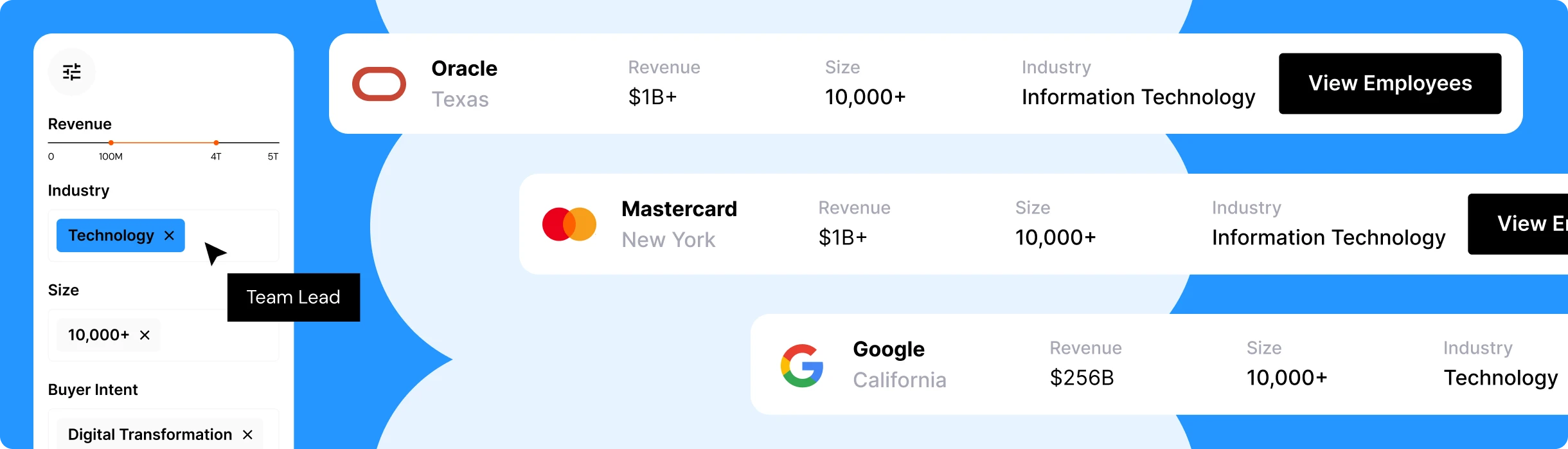
  • 600M+ verified B2B contacts database 
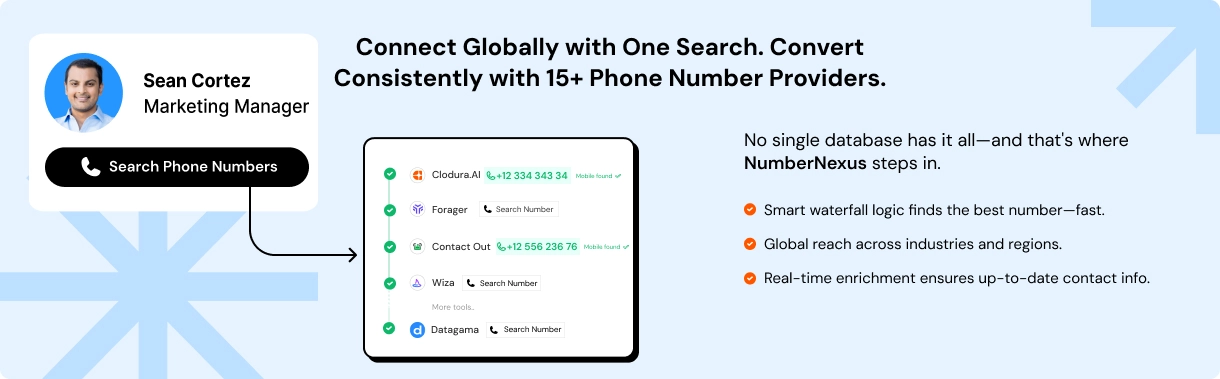
  • 125M+ phone numbers with waterfall enrichment across 20+ providers 
  • 50+ provider waterfall email finder and verifier 
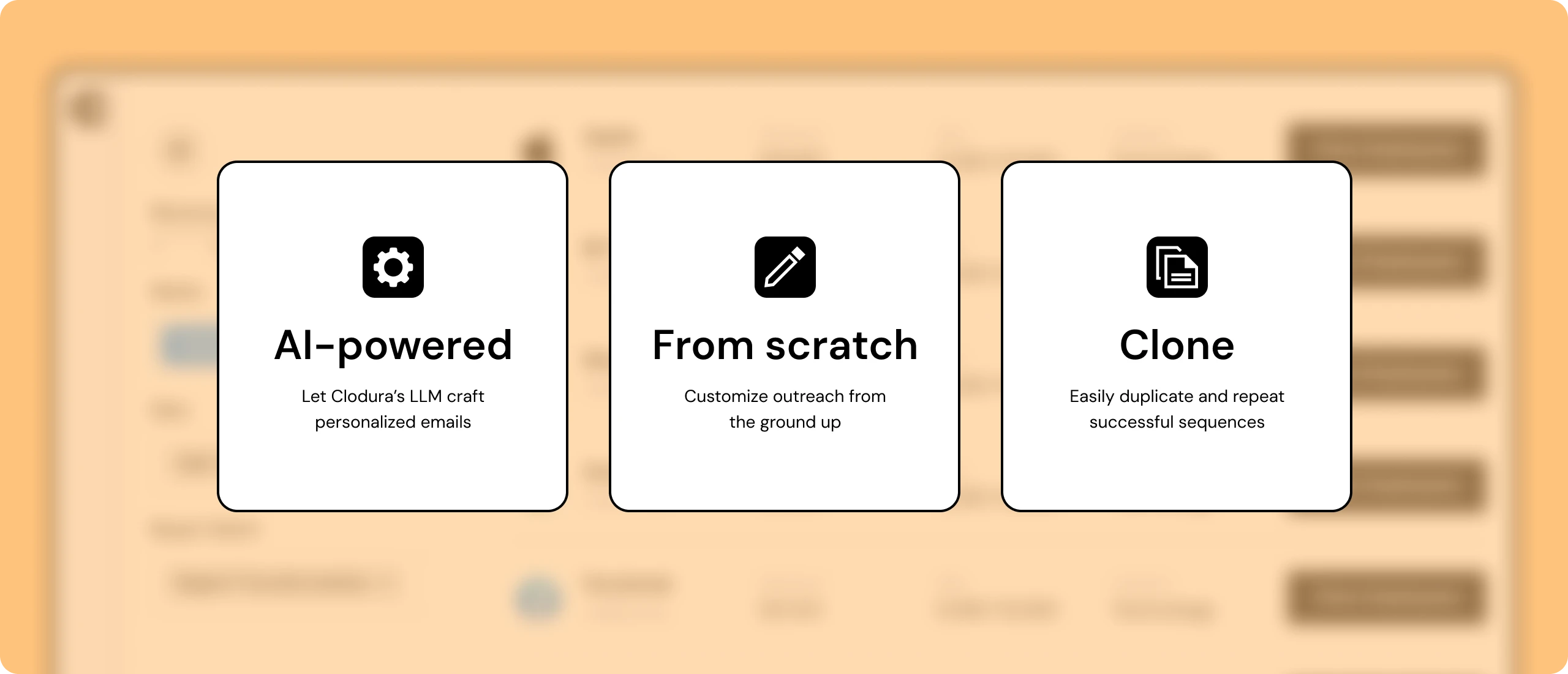
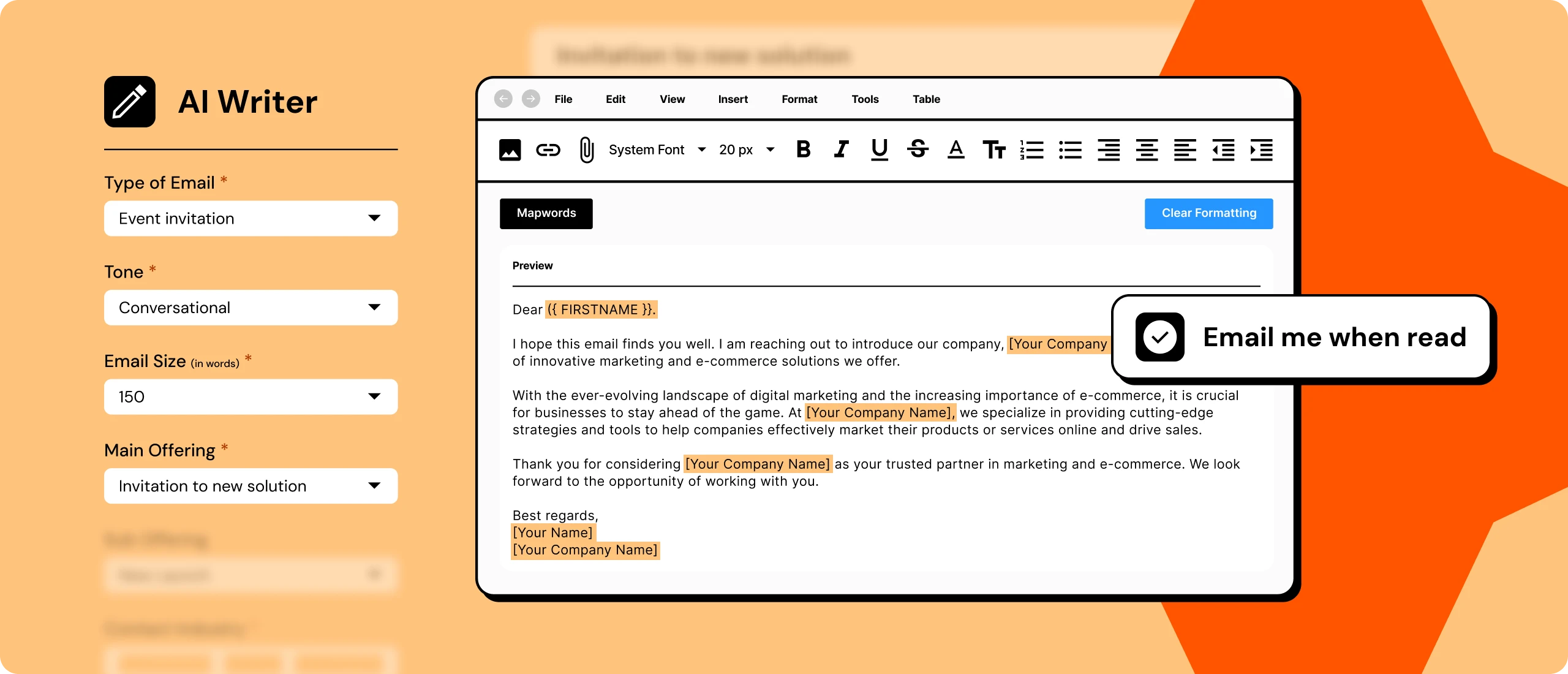
  • Automated email sequences with AI-powered personalization (Atlas) 
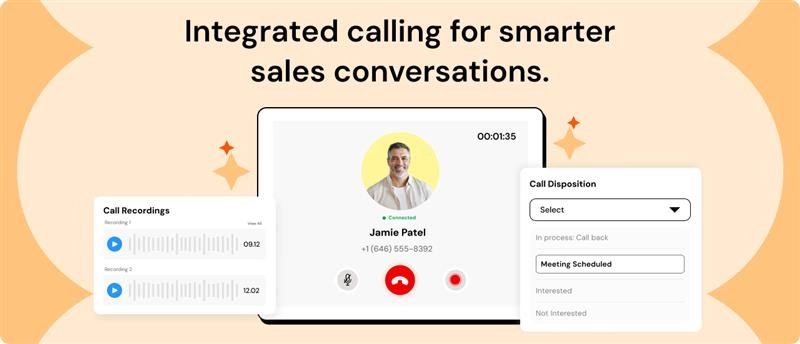
  • CallPilot dialer with local presence numbers, call recordings, and dispositions 
  • Buyer intent and hiring intent signals 
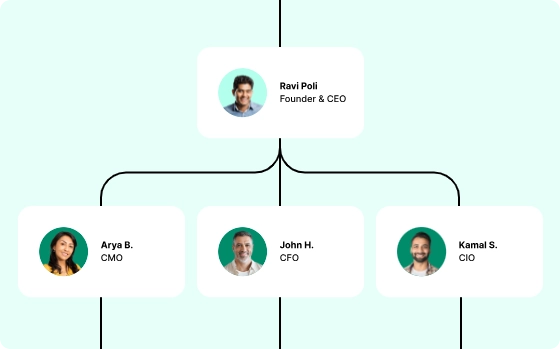
  • Org charts for 18M+ companies 
  • CRM integrations (Salesforce, HubSpot, Zoho, Pipedrive, Freshsales, Dynamics 365) 
  • Chrome Extension for LinkedIn enrichment 
  • Inbox placement testing and mailbox warmup tools 

How Much Does Clodura.AI Cost in 2026? 

Clodura.AI uses a single-currency credit model: 

  • 1 credit = 1 email address found 
  • 10 credits = 1 phone number 
  • 3 credits = 1 call minute 
  • 200 credits = 1 mailbox warmup session 
  • 50 credits = 1 inbox placement test 
  • 1 credit = 1 Atlas AI-written personalized email 

Free plan: 100 credits/month, no credit card required. 

Max plan (monthly, billed monthly): 

  • 4,500 credits: $99/month 
  • 6,900 credits: $150/month 
  • 10,000 credits: $214/month 
  • 15,000 credits: $318/month 
  • 20,000 credits: $420/month 

Max plan (annual billing, 10% savings): 

  • 4,500 credits: $89/month 
  • 6,900 credits: $135/month 
  • 10,000 credits: $193/month 

Pay As You Go (PAYG): Credits purchased once, valid for 12 months. 2,025 credits for $99, scaling to 250,000+ credits for custom pricing. 

Unlimited users on every plan. Unlike most B2B data tools, Clodura.AI does not charge per seat. Your entire team, including SDRs, AEs, marketing, RevOps shares one credit pool with no additional per-user fees. Credits roll over for up to 2 months on monthly plans. Annual plan credits are provided upfront and remain valid for 12 months. 

How Do Clay and Clodura.AI Compare on Features? 

Feature Clay Clodura.AI 
Pricing model Dual currency (Actions + Data Credits) Single currency (Credits) 
Entry price (paid) ~$167/month (Launch, annual) $89/month (Max 4.5K, annual) 
CRM integration Growth plan required (~$446+/mo) All paid plans 
Phone enrichment Launch+ required; 10–30+ credits/number 10 credits/number; all paid plans 
Waterfall enrichment 150+ providers (email, phone, company) 50+ email providers, 20+ phone providers 
Outreach automation Via integrations (Outreach, Salesloft, etc.) or Clay Sequencer Built-in email sequences + Atlas AI 
Calling infrastructure Not included Built-in CallPilot dialer 
Intent signals Job change, company news, social, web intent Buyer intent + hiring intent 
Seat pricing Unlimited seats (all plans) Unlimited users (all plans) 
AI personalization Claygent (credit-based; variable for complex models) Atlas AI (1 credit per email) 
Data volume 150+ providers in marketplace 600M+ contact database native 
CRM auto-sync Growth+ only All paid plans 
Free tier 500 actions/month, 100 credits 100 credits 
Learning curve High: requires GTM engineering skills Moderate: designed for sales teams 


Clay vs Clodura.AI: What Does It Cost to Enrich 5,000 Leads Per Month?

Clay (Growth plan, email + phone waterfall): 

  • Base plan: $446/month 
  • Data credits for 5,000 contacts (email + phone): 20,000–30,000 credits needed 
  • Credit top-up to 20,000 credits/month: ~$346/month additional 
  • Estimated total: $792–$1,238/month 

Clodura.AI (Max plan, same scope): 

  • Email: 5,000 credits 
  • Phone (targeting 20% with phones = 1,000 numbers): 10,000 credits 
  • AI email writing (5,000 personalized emails via Atlas): 5,000 credits 
  • Total credits needed: ~20,000/month 
  • Max plan at 20,000 credits: $420/month (monthly) or $378/month (annual) 

The difference at this volume: Clodura.AI is approximately 45–65% lower in monthly cost for similar data volume, with outreach automation, calling, and CRM sync included in the base price. 

The Bottom Line on Clay Pricing vs Clodura.AI Pricing in 2026 

What Clay really costs, realistically, for an active GTM team in 2026: 

  • Solo / freelance GTM: $167–$300/month (Launch, moderate credits) 
  • 3–5 person SDR team: $800–$1,500/month (Growth + credit top-ups) 
  • 10+ person GTM team: $2,000–$5,000+/month (Growth at high credit tier or Enterprise) 

If that math fits your budget and your team has the technical capacity to build effective Clay tables, it’s a legitimate investment. Clay’s flexibility ceiling is genuinely high, the community is active, and the 150+ provider marketplace is unmatched. 

If the budget math doesn’t fit, or if you need an integrated stack with calling, outreach, and analytics without the engineering overhead, a purpose-built B2B sales intelligence platform like Clodura.AI is worth evaluating. The credit system is simpler, the per-lead cost is lower at comparable volumes, and outreach automation is built in. 

Clay is the better choice when: 

  • You need maximum customization in data workflows and GTM logic 
  • You have a dedicated GTM engineer or RevOps professional who can build and maintain Clay tables 
  • You want to tap 150+ providers in a single platform with full flexibility 
  • You’re running complex, custom-built prospecting plays that can’t be templated 
  • You need to connect unusual data sources (via HTTP API or webhook automation) 

Clay is harder to justify for: 

  • Early-stage teams or solo operators trying to get outbound moving quickly. The learning curve is real. Clay’s own data suggests most power users go through university, cohort training, or hire from the Experts network. That’s a time and money investment on top of the subscription cost. 
  • Teams that are primarily doing phone-heavy outbound prospecting, where Clay’s credit cost per phone number, especially with waterfall stacking, can get expensive versus tools with native databases of verified direct dials. 
  • Anyone who needs built-in calling, inbox warmup, or deliverability tools. Clay doesn’t provide these natively; you’ll need to subscribe to separate tools (Nooks, Instantly, Lemlist, etc.) and integrate them. 

Clodura.AI is the better choice when: 

  • You need a complete GTM stack (data + outreach + calling + analytics) without managing multiple tools 
  • You’re a small to mid-size team without GTM engineering resources 
  • Cost predictability is a priority as single currency is easier to budget 
  • Unlimited user access matters (agencies, growing teams) 
  • You’re doing high-volume phone prospecting (CallPilot + direct dials built in) 
  • You want buyer intent signals included without a premium plan requirement 

Build cleaner prospect lists, personalize outreach faster, and grow pipeline with predictable Clodura.AI pricing.
Book a demo with Clodura.AI.

Book a live demo

Frequently Asked Questions

Q1. How much does Clay cost in 2026?

Clay pricing in 2026 starts at $167/month for the Launch plan when billed annually, but that’s rarely what teams actually pay. Once you add Clay data credits, Clay actions, and waterfall enrichment stacking, the real Clay cost 2026 for an active GTM team typically lands between $500 and $2,000+/month. 

Q2. What is a Clay credit and how much is it worth? 

There are two types of Clay credit: Clay actions (which measure platform usage like running a workflow or calling a provider) and Clay data credits (which pay for the actual data fetched from Clay’s marketplace). Cost per credit starts at $0.05 for data credits and under $0.01 per action, both getting cheaper at higher volumes. Understanding this dual-currency system is key to accurately estimating your Clay subscription cost before committing to a plan. 

Q3. Is Clay worth it for small teams / SDRs? 

For solo operators or small SDR teams doing light enrichment, the Clay Launch plan at $167/month can work but the learning curve and credit management overhead are real. Clay enrichment pricing adds up quickly once you start running multi-provider Clay waterfall enrichment for emails and phone numbers, which most SDRs eventually do.

Q4. What’s a cheaper alternative to Clay? 

Clodura.AI is one of the most cost-effective Clay alternatives for GTM teams in 2026, with plans starting at $89/month and a single-credit pricing model that’s far easier to budget than Clay’s dual-currency system.

Q5. What is the best Clay alternative in 2026? 

The best Clay competitor depends on your use case, but Clodura.AI stands out as the strongest Clay alternative for B2B sales teams that want an all-in-one GTM platform without the complexity

Kapil Khangaonkar is Founder of Clodura.AI and Head of Sales. He has more than 17 years of experience in sales and marketing, having worked in various leadership roles for software companies. Kapil has developed an AI-powered sales data and engagement platform that does the major heavy-lifting to ensure sales professionals never miss any potential opportunities and generate more meetings. Kapil has helped countless businesses transform their sales strategies and achieve unprecedented success.

That little voice telling you that you’re missing out on sales is right.

Sign up now and start closing more deals with qualified prospects than ever before.